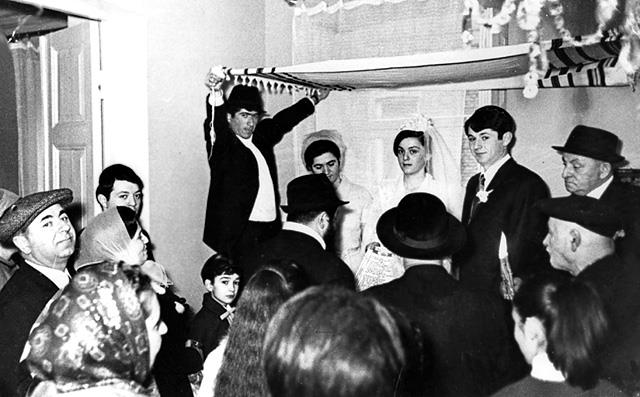
The Jewish Community of Tbilisi
Tbilisi
In Georgian: თბილისი; formerly known also as Tiflis
Capital city of Georgia.
21st Century
Most Jews of Georgia live in Tbilisi. There are a number of comunal and educational organizations active in Tbilisi: Jewish Cultural and Educational Foundation (JCC Community Center) - supported by the Euro-Asian Jewish Congress and the American Jewish Distribution Committee (Joint); Hesed Eliah - supported by the American Jewish Distribution Committee (Joint); Jewish Education Sunday School JFUTURE - supported by the Euro-Asian Jewish Congress; Hillel; Jewish Women's Foundation; Maccabi Society; The Menorah newspaper.
HISTORY
Members of the Georgian Jewish community have lived in Tiflis for many generations. During the 19th century Jews from Russia began to settle there. They were mostly craftsmen and descendants of soldiers who had served in the Caucasus in the Russian army. There was also a small community of Jews of Persian origin. The Georgian Jews maintained their own community which was headed by a Chakham. The attitude of the local Russian authorities to the Jews was favorable because of their usefulness as craftsmen. In 1876 there were 1,276 Jews in Tiflis, increasing to 3,668 (about 2.5% of the population) in 1897.
During the early 1920s Tiflis was a transit station for Chalutzim (Zionist pioneers) from Russia on their way to Palestine. In the 1959 census 17,311 Jews (2.5%) were registered in Tiflis, of whom 9,328 declared Georgian and 7,600 Russian to be their mother tongue. The Georgian Jews preserved their particular Jewish way of life, many adhering to religious tradition. There were two synagogues, a larger one for the Georgian Jews and a smaller one for the Ashkenazi. The Tiffis Jewish community was regarded as the wealthiest in the Soviet Union. It employed 17 community workers for the synagogue, the Mikveh, Matztzah bakery, ritual slaughtering, and cemetery services. About ten students in the Moscow Yeshivah (1956-1962) came from Tiflis of whom only two or three finished their studies and were appointed as Shochatim (ritual slaughterers). Many Jews in Tiflis applied for exit permits to Israel in the framework of the reunion of families, particularly after 1968.
In 2003, Tbilisi has a Jewish population of about 10,000 out of a general population of 1.5 million. In 1990, the “Rachamim” Society was founded. The Rachamim Society provides financial and medical support to needy Jews in Tbilisi, for example by supplying fuel to keep the apartments warm and by providing hot kosher meals. The Society also functions as a Jewish burial society.
In 1991, Ariel Levine was ordained rabbi by the Israeli rabbinate. Rabbi Levine became
Chief Rabbi and director of all Tbilisi Jewish institutions in 1993.
In 1998, an Academy for Jewish Studies was established. Other educational institutions are the Jewish Day School, a high school established in 1990, and a Beth Midrash for adults.
Other activities organized by the Jewish community of Tbilisi include the celebration of holidays, concerts and lectures. The Jews of Tbilisi can pray at the Georgian Synagogue or at either of the two Ashkenazy synagogues at Kozeveny Street. Tbilisi also has a mikvah (ritual bath), shechita (kosher butcher), matzoth bakery and a kosher food shop.
Since 1997, a dispute has been going on over the ownership of a synagogue building. The building, taken from the Jewish community by the Soviet authorities in 1923, was returned to the Jewish community in 1994. In 1997, however, Tbilisi mayor B.Shoshitaishvili canceled this decision. Apart from being a dispute over the ownership of the building, the issue has also sparked off anti-Semitic rhetoric in the Georgian media, especially after a court decision which ruled in favor of the Jewish community.
On January 31, 2001, an agreement was signed between the Georgian Orthodox Church and the Jewish Community of Georgia. The agreement is aimed at mutual respect and support and a vow to work together in advancing democratization, peace and stability in the region.
Community Institutions in Tbilisi:
The Georgian Synagogue
Rabbi: David Buzukashvili
President: Aaron Dzhanashvili
45-47 Leselidze Street
Tbilisi
Georgia
The Ashkenazi Synagogue
Rabbi: Ariel Levine
President: Michael Biniashvili
13 Kozeveny Street
Tbilisi
Georgia
Ashkenazi Synagogue
65 Kozeveny Lane
Tbilisi
Georgia
The Federation of Jewish Communities
Email: georgia@fjc.ru
Hillel House
Tbilisi Hillel
C/o JDC Office
Galaktion Tabidze st. 5/3 Rm. 48
Tbilisi
Georgia
Tel +9-958-832-517-7185
Hebrew Book Club
Digomcky Massiv
4th Kvartal, 12th Korpus, Apt. 40
Tbilisi
Georgia
Tel +9-958-832-720-049
Cemeteries:
There are three Jewish cemeteries
in Tbilisi: the old cemetery of the
Georgian Jews, the new cemetery
of the Georgian Jews and the
Ashkenazi cemetery.
The Jewish Agency for Israel
Tbilisi
The Jewish Agency for Israel
Galaktion Tabidze, 4
Municipality Building
Tbilisi, Georgia
Tel: +9-958-832-987-091
Fax: +9-958-832-987-092
מריה קוסאשוילי (1939 -2007) אל"ם ודוקטור למשפטים, מרצה באוניברסיטת טביליסי, סגנית התובע ראשית של גאורגיה, נולדה בטביליסי, בתם של שימעון קוסאשוילי ושרה גוריאלשוילי. בתום לימודיה בבית הספר בשנת 1958, התקבלה לפקולטה למשפטים של אוניברסיטת טביליסי. קוסאשוילי המשיכה את לימודיה במכון ללימודי המרקסיזם-לניניזם ובפקולטה של שפות זרות. היא שלטה בשבע שפות. סיימה את לימודיה באוניברסיטה בהצטיינות בשנת 1965, ובשנת 1972 סיימה תואר שני במשפטים בסוף הלימודים במוסקבה. קוסאשוילי התחילה לעבוד בתור עוזרת התובע של הרפובליקה ולאחר תקופה קצרה סיימה את לימודיה לתואר דוקטור למשפטים. בשנת 1986 מונתה ליועצת המשפטית הראשית ובהמשך מונתה לתפקיד סגנית התובע הראשי של הרפובליקה גאורגיה. במקביל שימשה כמרצה באוניברסיטת טביליסי.
קוסאשוילי הייתה חברת הוועדה להגנת השלום כנציגה של ברה"מ. פרסמה יותר מ-35 מאמרים מדעיים. מספר פעמים זכתה במדליות, תעודות הוקרה מטעם התובע הכללי של ברה"מ.
___________________________________________________
ביוגרפיה זאת חוברה ע"י פרופ' דודו צ'יקבשוילי ונרשמה במאגרי המידע של בית התפוצות באדיבותה של המחברת.
לילה תתרואשווילי (1941 -2007) דוקטור לפילולוגיה, נולדה בעיר כוטאיסי, גאורגיה, משפחה דתית. אמה, דורה, הייתה כלכלנית ואביה, מיכאיל, היה מתמטיקאי ושימש כיו"ר ועדת הביקורת של בית הכנסת. תתרואשווילי סיימה בהצטיינות את לימודיה בבית הספר # 19 בשנת 1958. המשיכה את לימודיה בחוג לשפה גרמנית בבית הספר לשפות זרות של המכון הפדגוגי ובשנת 1969 סיימה את לימודי התואר השני בפילולוגיה גרמנית באוניברסיטה של טביליסי.
משנת 1973 עבדה במכון לספרות גאורגית ע"ש שותא רוסתוולי באקדמיה למדעים של גאורגיה והתמחה בחקר הספרות גיאורגית ויחסיה עם ספרות בשפות אחרות. בשנת 1980 חיברה את המחקר "בעיית הפנתיאיזם בכתבים הפילוסופיים של גתה הצעיר" ובשנת 1997 סיימה את עבודת הדוקטורט על "וז'ה פשבלה וגתה - יחסים אידיאולוגיים והשקפת עולם".
תתרואשווילי שימשה כחברת נשיאות האגף הגאורגי של אגודת גתה הבינלאומית וכמזכירת האגודה בין השנים 1975 - 1991. השתתפה בכנסים הבינלאומיים בוויימאר, גרמניה, ומשנת 1981 הייתה חברה במרכז הבינלאומי לחקר גתה במוסקבה ובויימאר. תתרואשוילי פרסמה מאמרים מדעיים רבים אשר עסקו בספרות גרמנית קלאסית ובספרות השוואתית בגאורגיה ובחו"ל. בשנת 1982 פרסמה מונוגרפיה על עבודותיהם של גתה ווג'ה פשבלה. מחקריה נאספו בספר "מחקר ספרותי ומדעי. מכתבי, מסה" אשר יצא לאור בשנת 2013 לאחר מותה.
--------------------------------------------
ביוגרפיה זאת חוברה ע"י פרופ' דודו צ'יקבשוילי ונרשמה במאגרי המידע של בית התפוצות באדיבותה של המחברת.
The Jews of Georgia in science and research - Lecture of Prof. Dodo Chikvashvili of Tel Aviv University at a conference held at Bar-Ilan University on March 2, 2014
Prof. Chikvashvili explains the process that led to creation of a generation of Jewish scientists in Georgia from the end of the 19th century through the 20th century. The presence of Jewish scientists and their contribution was significant not only in Georgia, but also in other republics of the USSR and later, after many emigrated from Georgia, in various countries, including Israel and the USA. Jewish scientists worked in the field of humanities, including museology and ethnographic research, in the field of exact sciences - physics, mathematics, chemistry, physiology, and some were active in economics, computer science, and engineering.
The Oster Visual Documentation Center, ANU - Museum of the Jewish People, courtesy of Prof. Dodo Chikvashvili, Israel
דינה דבראשוילי (1910 -1993), משוררת, רופאה, פעילה חברתית, פעילה ציונית, נולדה בסוראמי, גאורגיה (אז חלק צהאימפריה הרוסית), לליה ויעקב דבראשוילי. לאחר ילדות בקוורלי עברה לגור בטביליסי. בתום לימודיה בבית הספר (1926), התחילה את לימודי הרפואה בפקולטה לרפואה שאותם סיימה בשנת 1937. ביחד עם בעלה הרופא בנימין בוטראשוילי ושני הילדים, עברו לעיר באטומי, שם עבדה בבית החולים המרכזי ולאחר מכן כמנהלת מחלקת הנשים בבית חולים לחולי שחפת. בתור רופאה, היא הובילה עבודת מחקר וחיברה פרסומים רבים. הוענק לה התואר דוקטור כבוד של אדג'רה (Adjara).
בשנותיה הצעירות (1926 -1935) היא שיתפה פעולה באופן פעיל עם הוועד יהודי למען הנזקקים והייתה שותפה במאבק נגד הבערות. את עיקר פעילותה במשך כל חייה הקדישה לשירה. שירים וסיפורים קצרים מפרי עטה פורסמו בעיתון "היהודי העובד". בתקופה זו נפגשה עם מנהיגי התנועה הציונית דוד והרצל באזוב, אהרון קריחלי, מוריס דניאלוב ואחרים, שהשפיעו רבות על השקפת עולמה.
אהבת הארץ הייתה לה ערך עליון. בשנות ה-1960 היא ובעלה יצרו קשר עם מנהיגי התנועה הציונית, שיתפו פעולה עמם, תמכו בפעילויותיהם ועזרו להם בתמיכה כספית.
לדבראשוילי נולדו שני ילדים: בן שהיה בעל תואר שלישי במדעים, ובת שהייתה רופאה בדומה להורים שלה.
עם תחילת העליה מברה"מ, דינה הגשימה את חלום חייה ועלתה לישראל יחד עם משפחת בנה בשנת 1972. בעקבותיהם עלתה מאוחר יותר גם משפחה בתה.
--------------------------------------------
ביוגרפיה זאת חוברה ע"י פרופ' דודו צ'יקבשוילי ונרשמה במאגרי המידע של בית התפוצות באדיבותה של המחברת.
רחל אבאדז'אנוב (1937 – 2006), מתמטיקאית ומתכנתת מחשבים. שני בניה עמדו בראש ארגון הציונים הצעירים בגאורגיה. המשפחה היתה מסורבת עלייה, וקיבלה היתר לעלות לישראל רק ב- 1987.
אבאדז'אנוב' נולדה בטביליסי למשפחה דתית, מסורתית, משכילה ועשירה. אביה של רחל, משה חיים, בוגר הגימנסיה, קיבל חינוך דתי גבוה, ודיבר מספר שפות זרות. בשנים 1944 – 1953 הוא שימש ראש הקהילה וגבאי בית הכנסת בטביליסי. משה חיים נעצר יחד עם רבים ממנהיגי הקהילה בתקופת "משפט הרופאים" בברית המועצות. רק מותו של סטאלין הציל אותו מגלות והוצאה להורג. ב-1954 רחל סיימה את לימודיה בבית ספר # 42 ללימודי מתמטיקה מוגברים, ובבית ספר למוזיקה עם התמחות בנגינה בפסנתר. רחל המשיכה ללימודים בפקולטה למכניקה-מתמטיקה של אוניברסיטת טביליסי. ב-1961 נישאה לגבריאל שלולאשוילי, בוגר המכון הפוליטכני בגאורגיה. גבריאל שלט בשפה העברית ולעתים קרובות הוזמן אל בית הכנסת כחזן. הוא נפטר בגיל 47 אחרי מחלה ממושכת. רחל נשארה לבדה עם שני בניה, זאזא (יצחק) בן 12 ובסיקי (בצלאל) בן 9. היא החלה לעבוד במרכז המחשבים של בית חולים כמתכנתת בכירה. בניה סיימו גם הם את בית הספר ללימודי מתמטיקה מוגברים. זאזא המשיך את לימודיו בפקולטה למכניקה-מתמטיקה של אוניברסיטת טביליסי, עם התמחות באסטרופיזיקה, ובסיק היה סטודנט במכון החקלאי.
מאז 1980 היה זאזא פעיל בהקמת התנועה הציונית בקרב הנוער בעיר, ואחיו הצעיר הצטרף אליו. ביתה של רחל הפך למרכז כינוס לציונים הצעירים בטביליסי. האחים וחבריהם שכרו שתי דירות, באחת פעל אולפן ללימודי עברית, ובשנייה הכינו והדפיסו ספרות ציונית בלתי חוקית שהפיצו בקרב הנוער היהודי. בתקופה זו תירגם זאזא מאמרים של זאב ז'בוטינסקי שפורסמו והופצו באופן בלתי חוקי בגאורגיה. בנוסף, הפיצו ספרות ציונית שהובאה על ידי פעילים מרוסיה, ושיכפלו ספרים שזאזא קיבל בסתר מניסן בבאליקאשוילי. הק.ג.ב נהג להאזין למתרחש בביתה של רחל ולקיים מעקבים אחר בני המשפחה.
ב-1985 משפחתה של רחל קיבלה סירוב עליה למדינת ישראל, ומאותו רגע החלו בניה במאבק פוליטי. סיפורה של המשפחה סוקר בפורומים יהודים ברחבי העולם. יחידת "נתיב" במוסד, שהייתה אחראית על התקשורת עם ציוני ברית המועצות, שמרה על קשר רציף עם המשפחה. בתגובה נקט הק.ג.ב., בנוסף למעקבים, גם בצעדי דיכוי והפחדה. הבן הצעיר, בסיקי, גורש מהאוניברסיטה ונעצר, וזאזא נלחם למען שחרורו. אנשים רבים באו לשימוע בבית המשפט במחוז קלינין בטביליסי, ביניהם פעילים ציונים מרוסיה, דיפלומטים זרים ועורכי דין מחו"ל ששהו בטביליסי כתיירים. העתונות הזרה סיקרה את התהליך. על פי צו אישי מאת אדוארד שוורנדזה, שר החוץ של ברית המועצות, הופחת עונשו של בסיקי והוא שוחרר מהכלא. שבוע לאחר מכן קיבלה משפחתה של רחל את היתר עליה ארצה, וב-1987 הגשימו רחל, אביה, אחותה ושני בניה את החלום ועלו לישראל. לזאזא נולד בן, ולבסיקי נולדו שתי בנות. זאזא, ששמו בישראל יצחק שלו, לימד מתמטיקה, והיה ראש תחום מתמטיקה ברשת בתי הספר של המכללה למינהל, כיום הוא כותב ומפרסם ספרי לימוד במתמטיקה. בסיקי - בצלאל שלו - עובד בחברת ביטוח. רחל היתה אישה חזקה, שרוחה האיתנה לא נשברה גם תחת קשיים ופחד מתמיד לגורל בניה. בישראל המשיכה רחל לעבוד בעיתון ופרסמה מאמרים רבים.
---------------------------------------------------
הביוגרפיה נכתבה על ידי פרופ ’דודו צ'יקושוילי, והיא רשומה במאגרי המידע של מוזיאון העם היהודי בבית התפוצות.
מרגריטה ביניאורישוילי-אליגולשוילי (1919 – 1980), רופאה ומנתחת, במלחמת העולם השנייה שירתה בבית חולים שדה והצילה מאות פצועים. נולדה בעיר כוטאיסי, גאורגיה, למשפחה אמידה. הוריה היו אסתר ושבתאי ביניאורישוילי. היתה ילדה עליזה, מוקפת באומנת ובמשרתים. בשנת 1936 סיימה בהצטיינות את בית הספר, התקבלה ללימודי רפואה בטביליסי ללא בחינות כניסה, וסיימה התמחות כמנתחת.
ביום שגרמניה הנאצית פתחה במתקפה על ברית המועצות, 22 ביוני 2041, בילתה מרגריטה בנשף, ושם קיבלה צו גיוס למלחמה, כרופאה. היא שירתה בין היתר בבלרוס, בפולין, בגרמניה, בתנאי מלחמה קשים מנשוא, בין היתר ניתוחים דחופים לאור נרות, ומחסור בתרופות. כשלא היה בידה לסייע לפצועים, התפללה על יד שולחן הניתוחים וביקשה עזרה מאלוהים כדי להציל את חייהם. היא היתה אישה קטנה ונאה, נדיבה ואצילית, ומסירותה לא ידעה גבול. בנוסף היתה זמרת סופרן מחוננת, ונהגה לשיר לפצועים שירי צוענים כדי לעודד את רוחם.
בתחילת 1946 שבה לביתה, עם ציונים לשבח ומדליות. באותה שנה התחתנה עם אברהם אליגולשילי, כלכלן, שחזר גם הוא מן החזית. מרגריטה החלה לעבוד בבית חולים בטביליסי, כמנהלת מחלקה כירורגית. במקביל היתה חברת המפלגה ופעילה בוועדות ציבוריות שונות, ביניהן הוועדה להגנה על הבריאות במושבות הנשים.
--------------------------------------------
ביוגרפיה זאת חוברה ע"י פרופ' דודו צ'יקבשוילי ונרשמה במאגרי המידע של בית התפוצות באדיבותה של המחברת.
מרים ביניאשווילי (1931 – 1990), עיתונאית, מתרגמת, חוקרת המזרח, עורכת חדשות ברדיו ובטלוויזיה, נולדה בעיר צחינוואלי, גיאורגיה (אזנ חלק מברה"מ), להוריה רחל דבראשוילי וסמן ביניאשוילי. בשנת 1937 המשפחה עברה לטביליסי. ביניאשווילי סיימה בית ספר תיכון בהצטיינות ב-1949. בשנת 1956 סיימה תואר ראשון מהפקולטה למדעי המזרח באוניברסיטת טביליסי, ומיד לאחר מכן הוזמנה לעבוד כמתורגמנית ברשות השידור. בהמשך עסקה בעתונות וברדיו, ואחרי כמה שידורים מוצלחים התמנתה לעורכת של תכנית חדשות ברדיו. בתקופה ההיא החלו שידורי הטלוויזיה בגיאורגיה. מרים מונתה למנהלת מחלקת קרייני תכניות. במקביל המשיכה לתרגם ספרים מרוסית ומארמנית לגיאורגית. בשנת 1958 תרגמה את ספרי אסלניאן ומנווליאן. בשנת 1960 התפרסם תרגום שלה לרומן ההיסטורי "Vardanank" מאת דרניק דמירצ'יאן, על סיפור חייו של הגיבור הלאומי ורדן ממיקוניאן, וזכה להערכה רבה. קונסטנטין גמסחורדיה המליץ לכלול את התרגום ברשימת היצירות הטובות ביותר בגיאורגיה. גם תרגומה לספר "לב של מנתח" מאת אוגלוב הצליח מאד.
ביניאשווילי חיברה 14 ספרים ויותר מ-400 מאמרים. מראשית ימיה של רשות השידור בגיאורגיה עבדה מרים במגוון תפקידים: עורכת, עורכת ראשית, סגנית יו"ר. יצירותיה, הקלטותיה ונאומיה שמורים בארכיוני הטלוויזיה הגיאורגית. ב-1968 נישאה מרים לבמאי התיאטרון גבריאל יוסבשוילי, וב-1970 נולד בנם יוסף. על אף בריאותה הרופפת, מרים תמיד הייתה מוכנה לעזור, ועטפה את כולם בחמימות ובתשומת לב. עבור עמיתיה היוותה מודל לנאמנות, לאחריות ולמצוינות. היתה לה השכלה רחבה ואינטליגנציה גבוהה, וכמתרגמת ניחנה ביכולת לבחור תמיד במילה ובנוסח המדוייקים ביותר.
מרים ביניאשווילי נפטרה בשנת 1990 לאחר מחלה ממושכת.
____________________________________________________________________________
ביוגרפיה זאת חוברה ע"י פרופ' דודו צ'יקבשוילי ונרשמה במאגרי המידע של בית התפוצות באדיבותה של המחברת.
מננה דויתאשוילי–גולדובת (1953–1993), היסטוריונית ומורה לעברית, מסורבת עלייה ארצה בשנים 1982–1988, נולדה וגדלה בטביליסי, גאורגיה, בתם של אלבינה ומיכאיל דויתאשוילי, גבאי בבית הכנסת בטביליסי. סיימה את לימודיה התיכוניים בשנת 1970, ואז המשיכה ללימודי היסטוריה באוניברסיטת טביליסי. בגמר הלימודים (1975) החלה לעבוד בחברה להגנה על אנדרטאות בגאורגיה, והתקדמה למשרת ניהול. בשנות ה-1980 החליטה לעלות לישראל, אך לא קיבלה אישור לעזוב. היא למדה עברית אצל הבלשן המפורסם ד"ר ניסן בבליקאשוילי, ואז התחילה ללמד עברית בטביליסי, בריגה ובמינסק. בשנים שבהן חיכתה לאישור העלייה, עסקה בתרגום והפצה של חומר ציוני ושל חוברות מידע לעולים, ויצרה קשרים רבים עם אנשים מישראל שעסקו בקליטת עולים.
ב-1988 מננה הגיעה לישראל ולאחר שבועיים החלה לעבוד בסוכנות היהודית. היא הדריכה קבוצות תיירים מברית המועצות לשעבר, הנחילה להם מהידע הרב שצברה עוד בגאורגיה על תולדות מדינת ישראל ועל ידיעת הארץ והטבע. ב-1990, עם תחילת העלייה ההמונית, עברה לעבוד בסיוע לעולים חדשים. חייה היו קצרים אך היא הוכיחה כי ניתן בחיים קצרים הן ללמוד הרבה והן לתרום תרומה משמעותית לעם ולמדינה.
____________________________________________________________________________
ביוגרפיה זאת חוברה ע"י פרופ' דודו צ'יקבשוילי ונרשמה במאגרי המידע של בית התפוצות באדיבותה של המחברת.
ננה שבתשוילי דביר (1949 – 2018), משוררת ופובליציסטית, זוכת פרס אנה קלנדזה, שגרירת כבוד ותרבות של גיאורגיה וישראל, נולדה בטביליסי, גאורגיה (אז חלק מברה"מ), ברובע היהודי, על "המאידאן", להוריה מארו ויצחק. מצבה הכלכלי של המשפחה היה קשה. מגיל צעיר היה בה צמאון לידע, והיא סיימה את בית הספר בהצטיינות. כילדה החלה לכתוב שירים, שהתפרסמו בעיתונות בגאורגיה. היא התחתנה בגיל 18 ובגיל 22 כבר היתה אם לשלושה ילדים. תמיד נלחמה באפליה נגד נשים, וסירבה להגביל את עצמה רק לתפקידי נשים מסורתיים. בתחילת דרכה עבדה כרוקחת, ורק בגיל 40 סיימה את לימודיה בפקולטה לפילולוגיה, ואז עבדה כמנהלת בית האמנים, שבו נערכו ערבי תרבות ויצירה, השקות ספרים וכדומה.
בשנת 1991 עלתה ננה לישראל, עם ארבעת ילדיה, והצטרפה לחיי התרבות של הקהילה הגאורגית בארץ. היא השתתפה במגזין "דרושא" ("הדגל"). בשנת 1995 התיישבה המשפחה באשדוד, וננה הקימה את תיאטרון גאורגי מוזיקלי סאטירי, "קנארי" (נבל). שוב ושוב הוזמנה לגאורגיה כשגרירת תרבות מישראל, ובמקביל המשיכה לפרסם שירה. ננה הייתה אופטימית ובלתי נלאית, אוהבת חיים, שחקנית וזמרת. בשנים האחרונות לחייה יזמה אירועי תרבות בסימן חידוש המורשת הגאורגית-יהודית באשדוד.
____________________________________________________________________________
ביוגרפיה זאת חוברה ע"י פרופ' דודו צ'יקבשוילי ונרשמה במאגרי המידע של בית התפוצות באדיבותה של המחברת.