Skip to content
Tickets
Tickets
Languages
Menu
Language
עברית
English
Русский
Español
Deutsch
Français
October Seventh
A New Exhibition
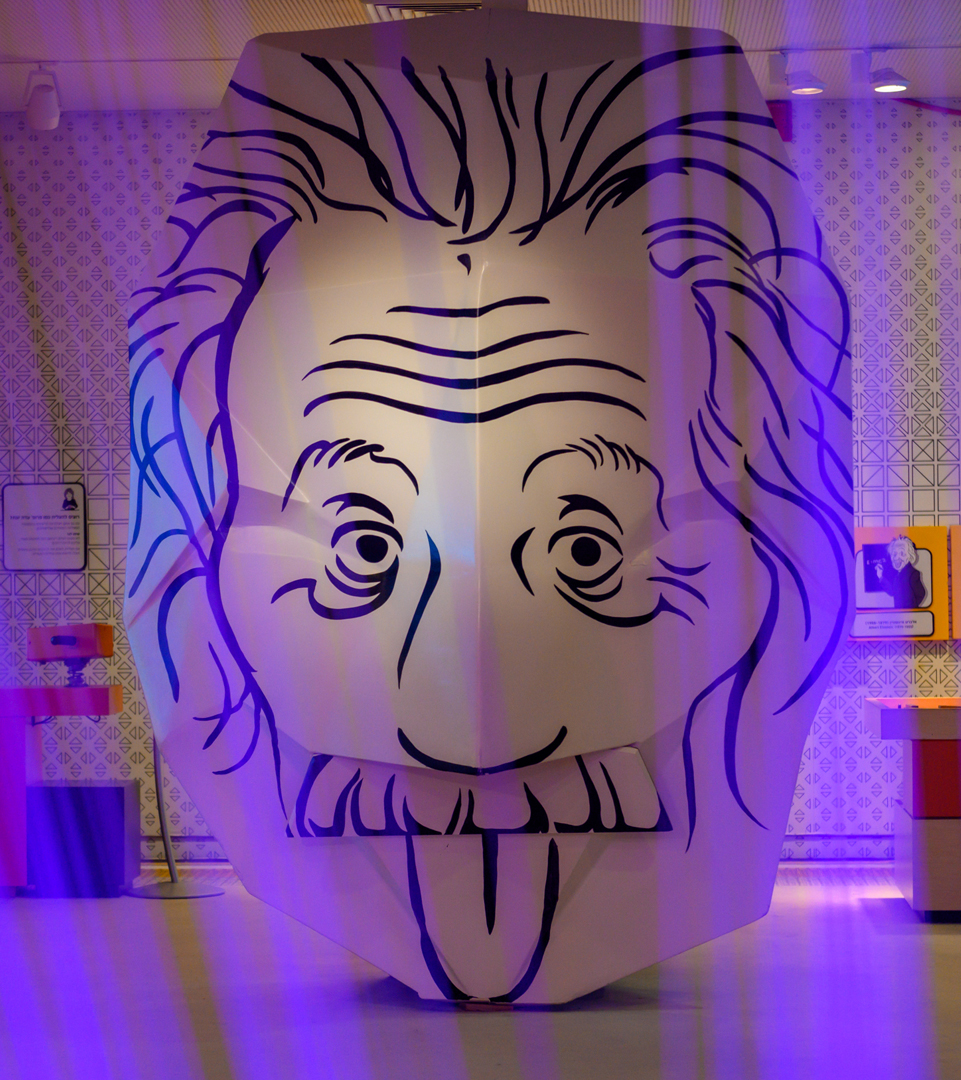
The New Museum
The Jewish Story Like You Have Never Experienced Before
Heroes
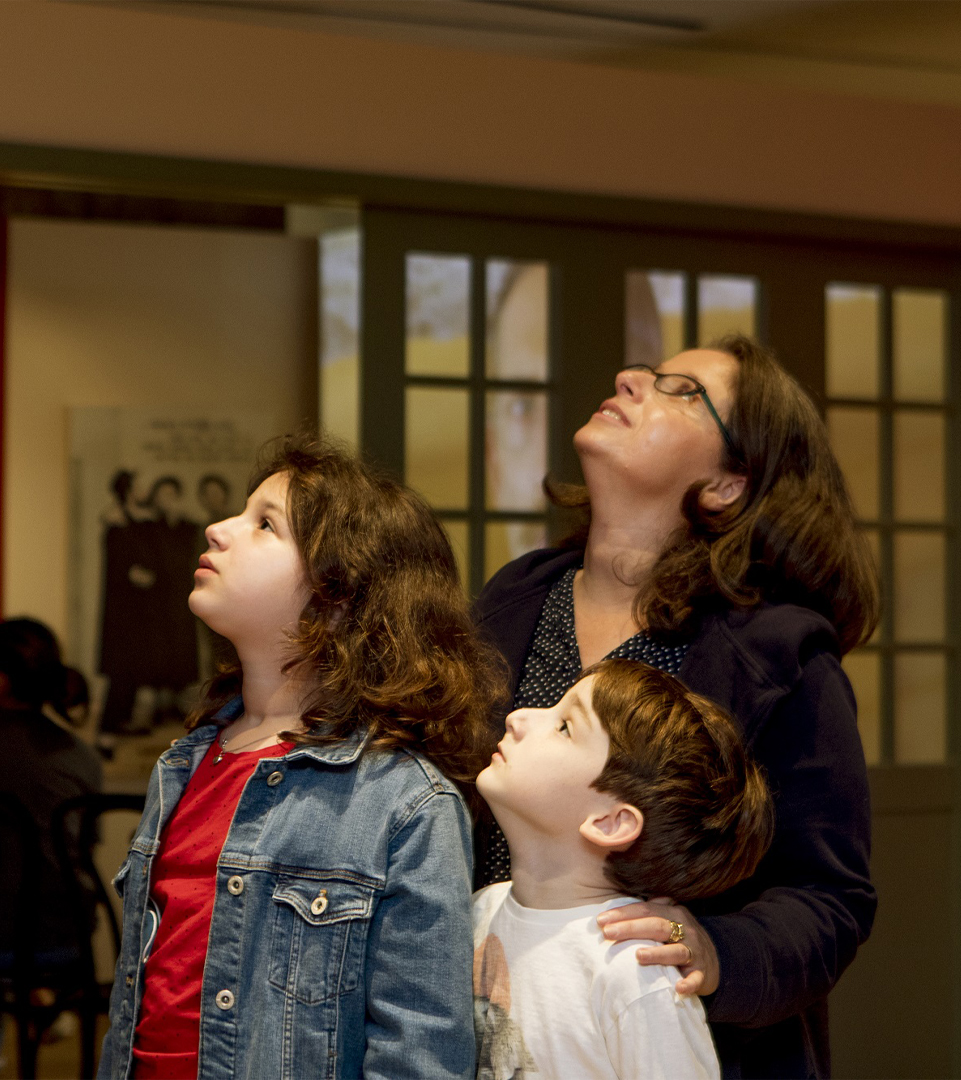
Our Fun and Interactive Gallery for Children
Our Open Databases
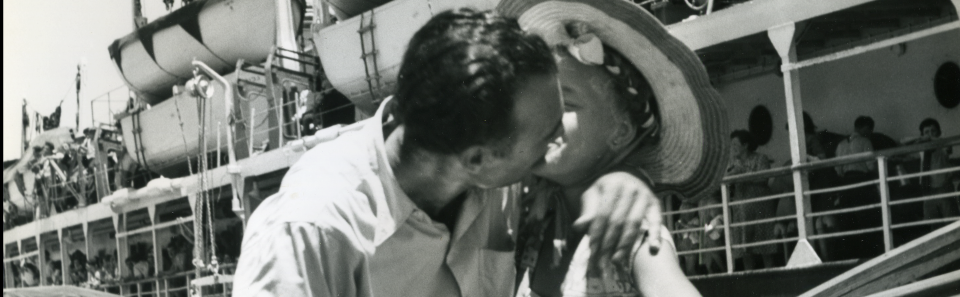
Family Trees, Places, Luminaries, Names, Images and more
Education
The Koret International School for Jewish Peoplehood
Public Events
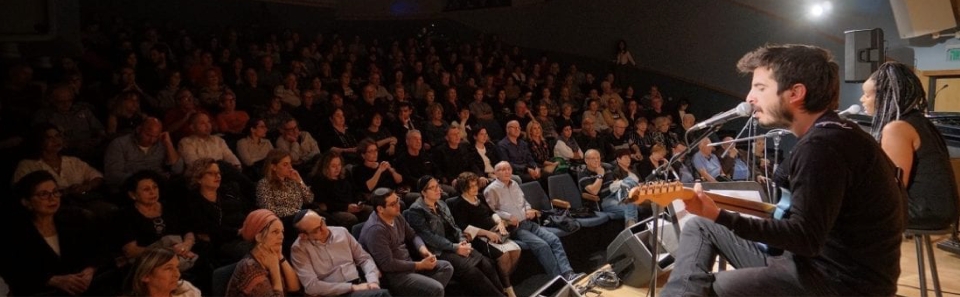
Lectures, shows, screenings, plays and more
FOODISH
The Culinary Department of ANU
The New Museum
The Jewish Story Like You Have Never Experienced Before
Heroes
Our Fun and Interactive Gallery for Children
Our Open Databases
Family Trees, Places, Luminaries, Names, Images and more
Education
The Koret International School for Jewish Peoplehood
Public Events
Lectures, shows, screenings, plays and more
FOODISH
The Culinary Department of ANU
Free admittance for Israelis from the south and north, and soldiers.
Plan Your Visit
Visiting Hours
Sunday
10am-5pm
Monday
10am-5pm
Tuesday
10am-5pm
Wednesday
10am-5pm
Thursday
10am-8pm
Friday
10am-2pm
Saturday
10am-5pm
Admission Prices (NIS)
Regular
52
Israeli Senior citizens
26
Persons with disabilities, college/university students, “olim”
42
Children under 5 years old
Free entrance
Soldiers in uniform
free entrance (please show I.D.)
Agents and Groups
Phone
03-5008080
Tickets
Our Location
Tel Aviv University, Ramat Aviv Entrance from gate #2 (Matatia gate)
Waze
Google Maps
Whatsapp
More info
Close
Exhibitions
The New Museum
Codex Sassoon
October Seventh
Synagogue Hall
Heroes
Jewish Humor
Bnei Menashe
Past Exhibitions
Visit
Plan Your Visit
Events Calendar
Group Visits
Guided Tours
ANU Digital
Online Tours
Accessibility
Education
About the School
The Hope Kit
The Tisch Center
The Koret Center
Annual Programs
About
About ANU
Museum Team
Board of Directors
Job Opportunities
Donors
Exhibitions
The New Museum
Codex Sassoon
October Seventh
Synagogue Hall
Heroes
Jewish Humor
Bnei Menashe
Past Exhibitions
Visit
Plan Your Visit
Events Calendar
Group Visits
Guided Tours
ANU Digital
Online Tours
Accessibility
Education
About the School
The Hope Kit
The Tisch Center
The Koret Center
Annual Programs
About
About ANU
Museum Team
Board of Directors
Job Opportunities
Donors
Databases
Blog
Foodish
Databases
Blog
Foodish
Events
American Friends
Events
American Friends
Newsletter - Sign Up!
Menu
שפה
עברית
English
Русский
Español
Deutsch
Français
Search
Search
Search
Search
Tickets
Tiktok
Instagram
Facebook-f
Youtube
Tripadvisor