Exhibitions
Search Results
The New Museum
It was worth the wait but now you can't afford to miss it: After ten years of planning and construction, the largest and most comprehensive Jewish museum in the world has opened its doors.
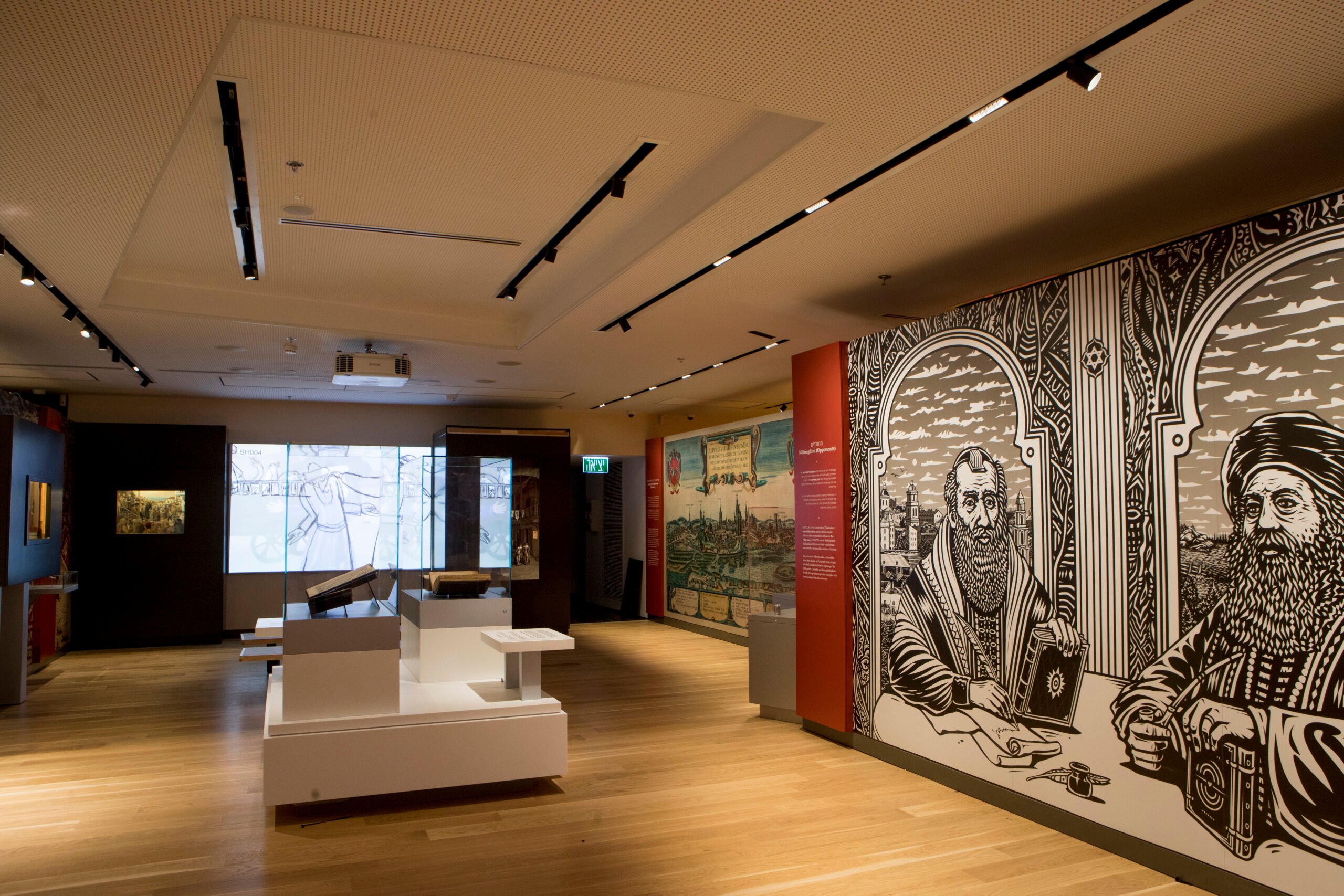
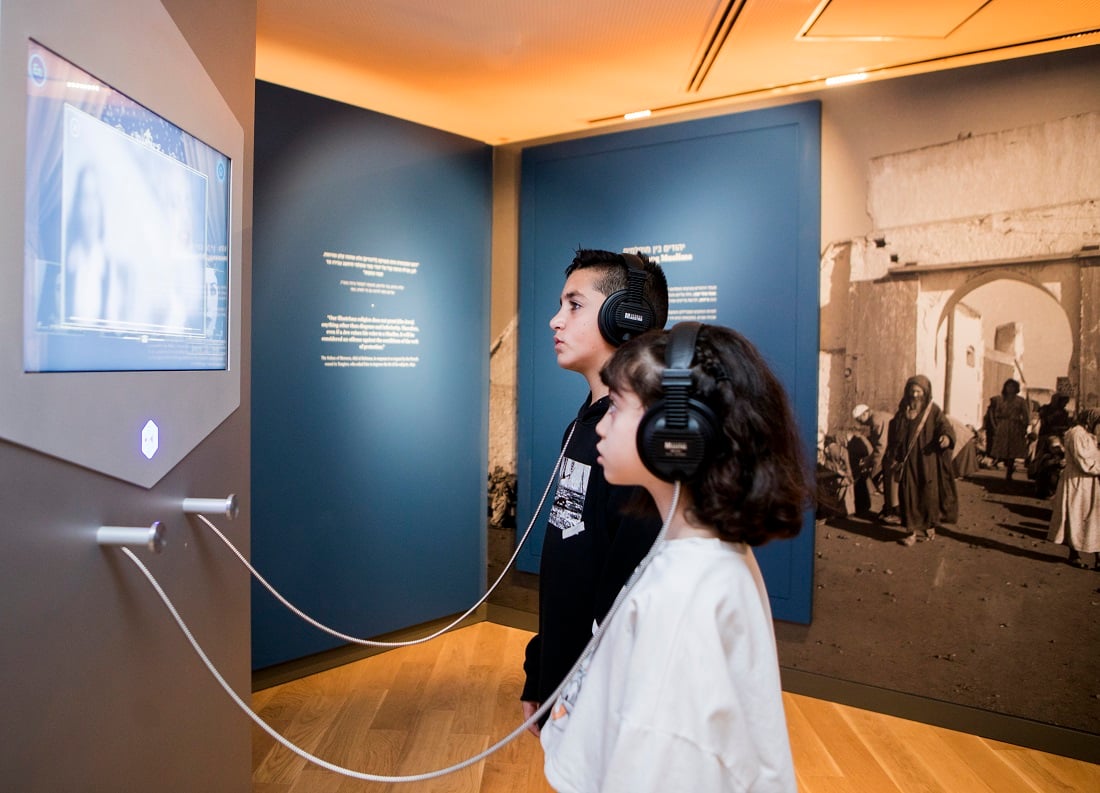
You're invited to join a fascinating journey that portrays the story of the Jewish people through the generations and up to the present time. The Museum represents all parts of the Jewish people and highlights the creative works and cultural riches of a variety of communities in different periods of history. This story is about all of us and each and every one of us is part of it.
Embark on a fascinating journey presenting the story of the Jewish people throughout history. The museum seeks to represent all Jewish people and to highlight their cultural creation and the flourishing of various Jewish communities throughout history.
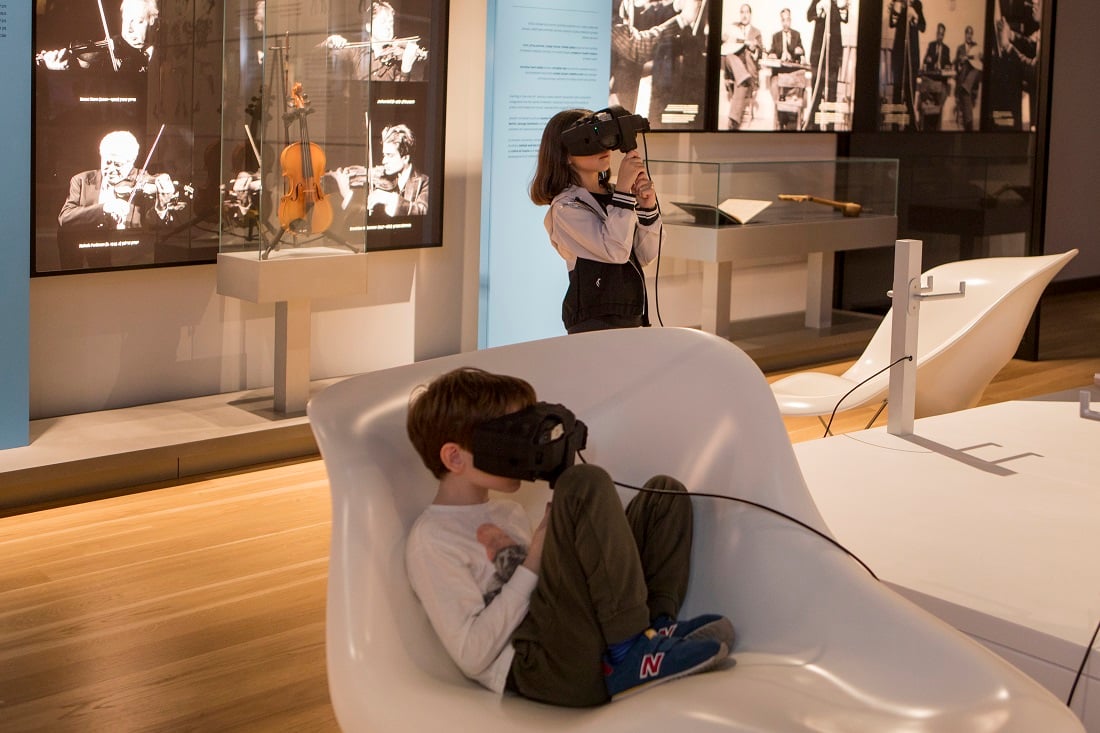
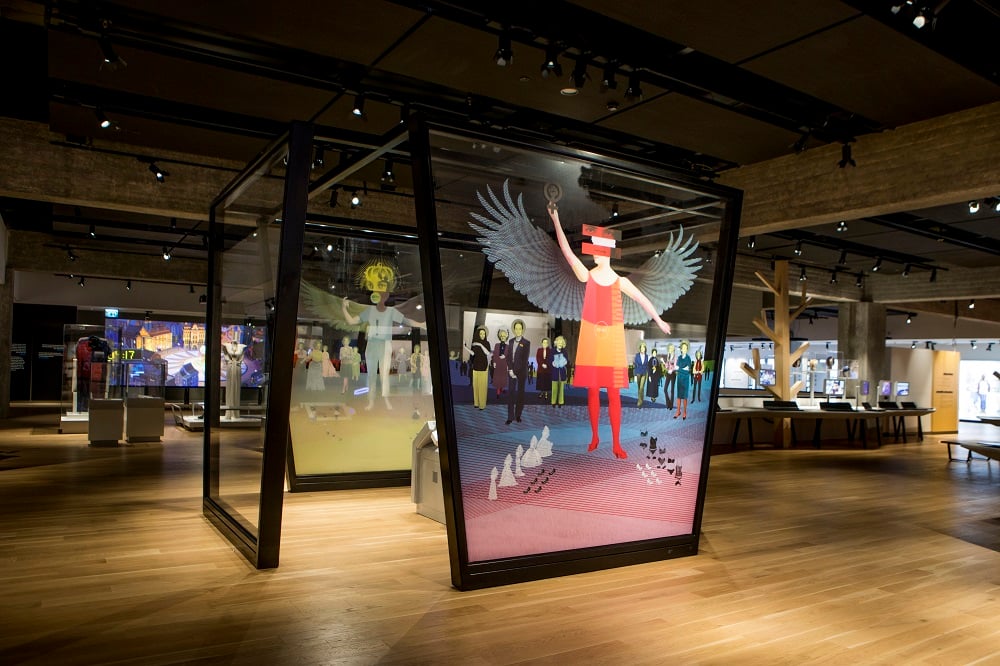
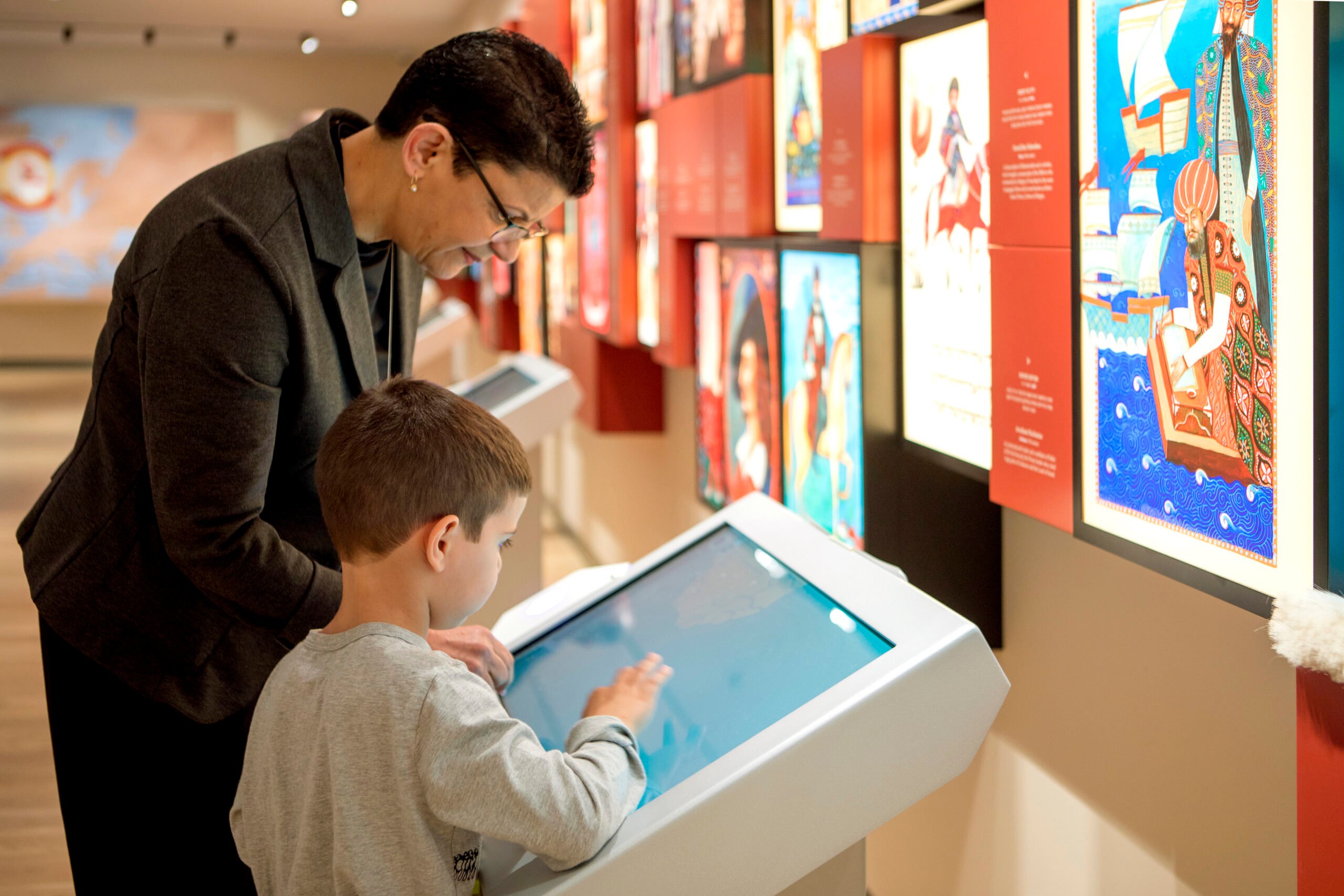
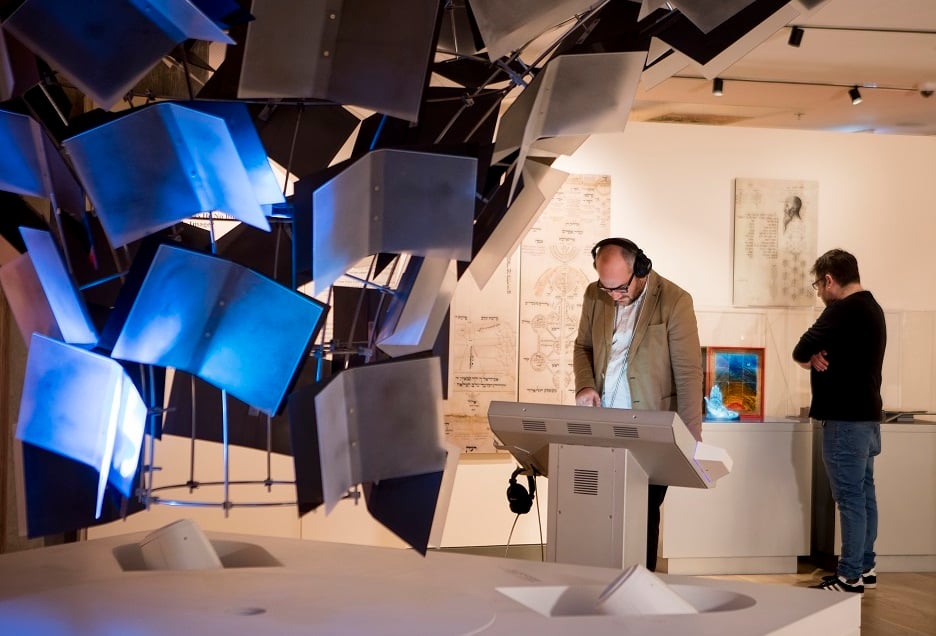
The museum visit starts on floor 3, which presents modern Jewish identity and culture. On floor 2 the historical stories of Jews from different places and periods is displayed, highlighting central themes that connect them. Floor 1 presents notions common to all Jews and the influence of the Bible on world culture.
Level 3
Level 3
The Mosaic
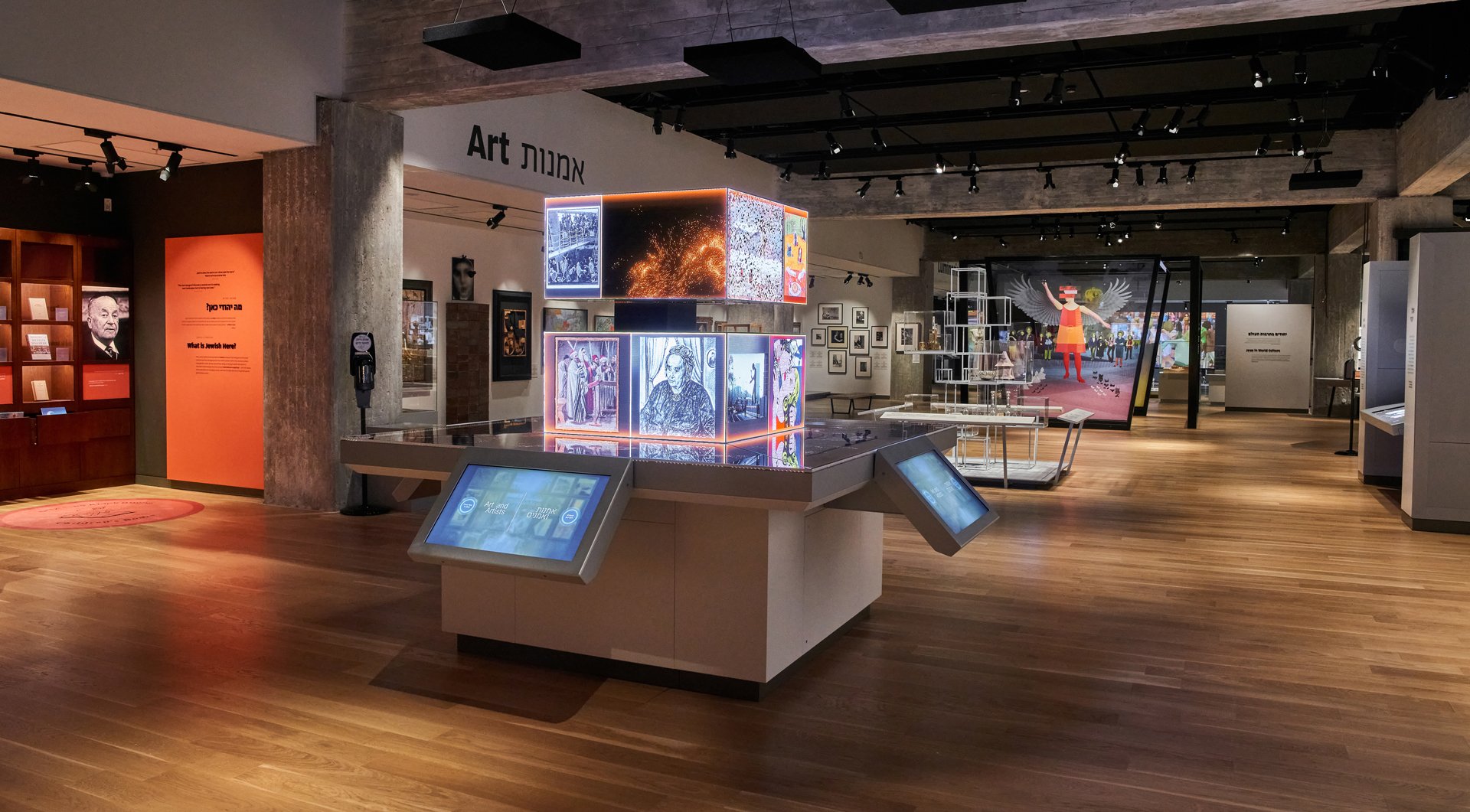
Identity and Culture in Our Times
Level 3
The Mosaic
Identity and Culture in Our Times
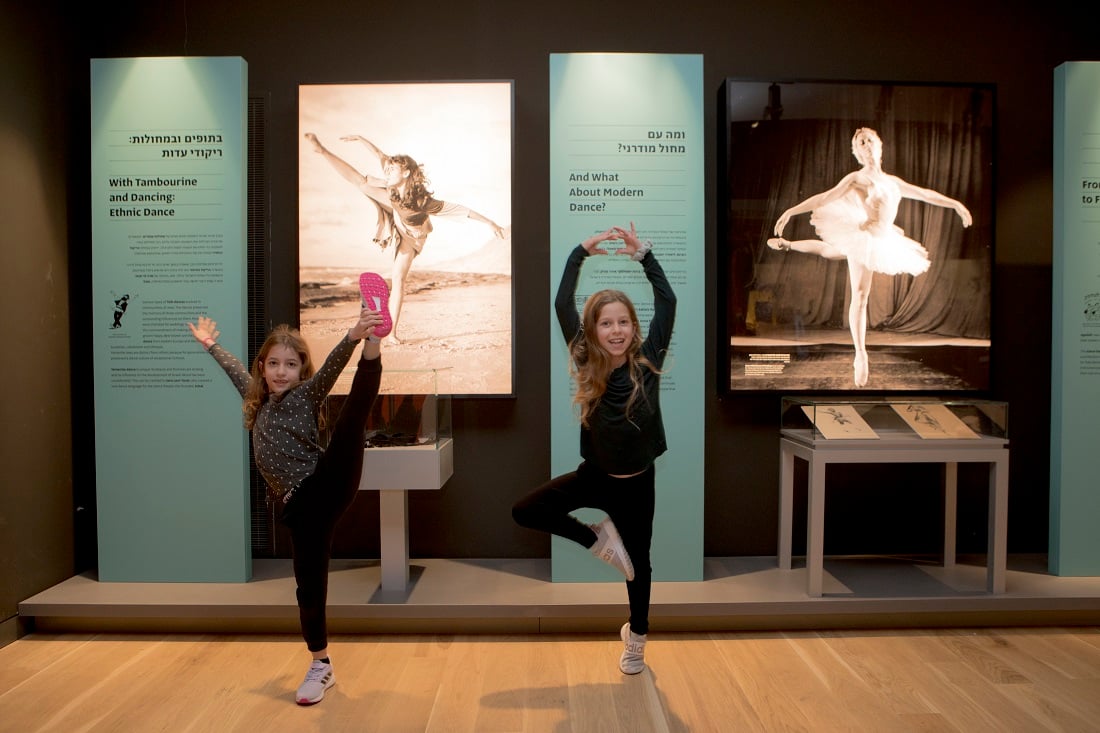
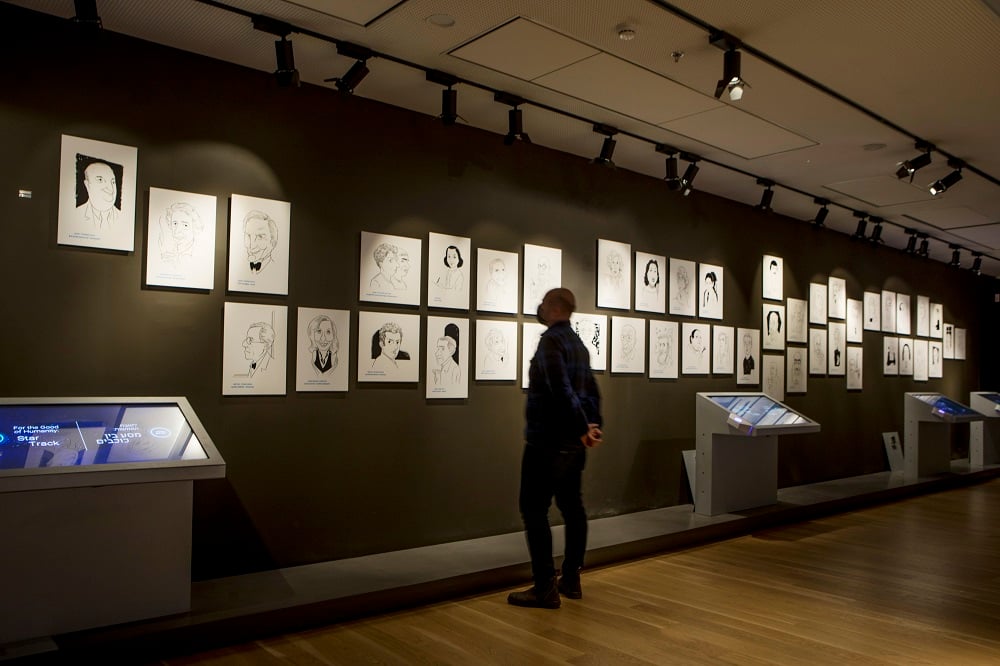
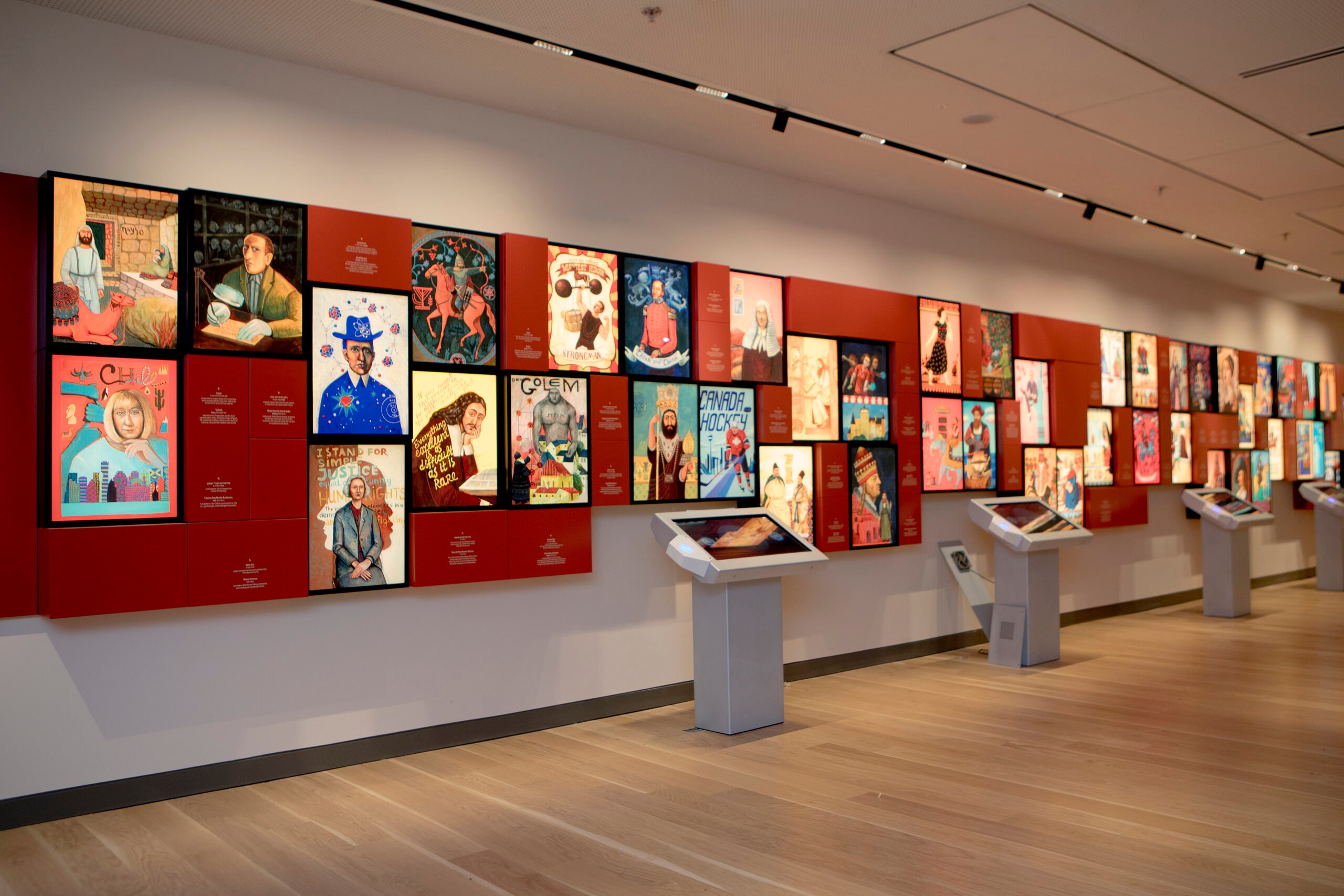
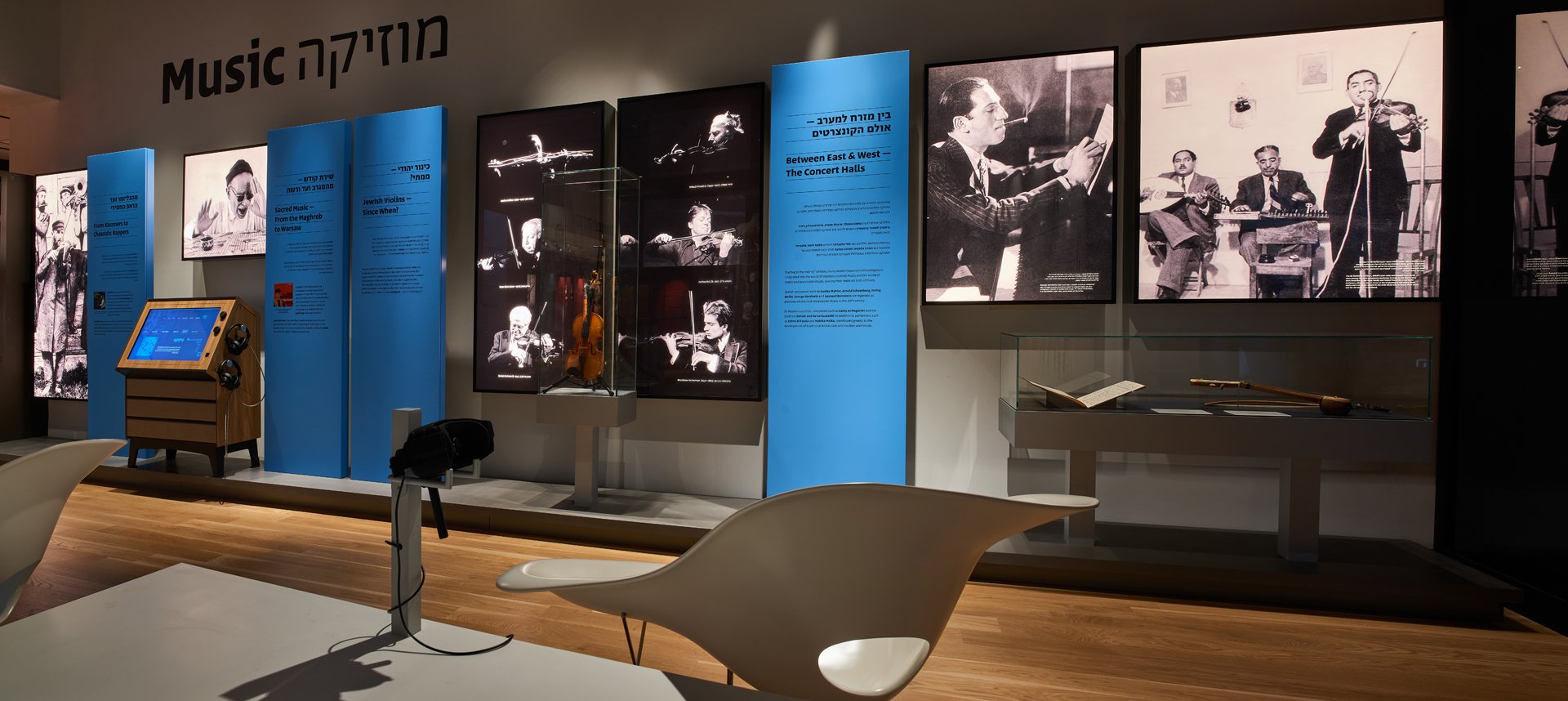
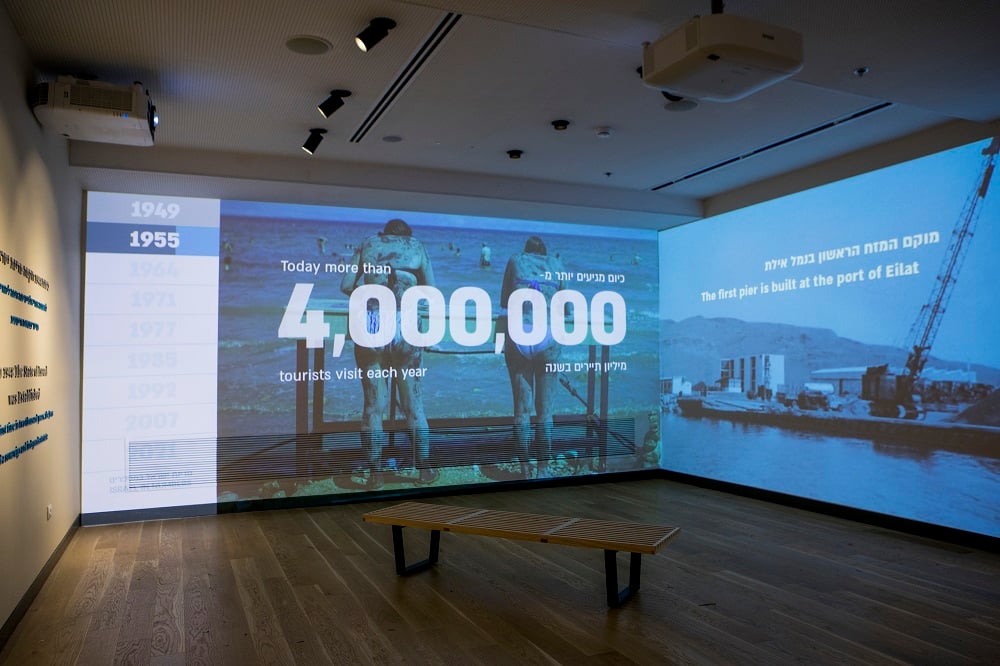
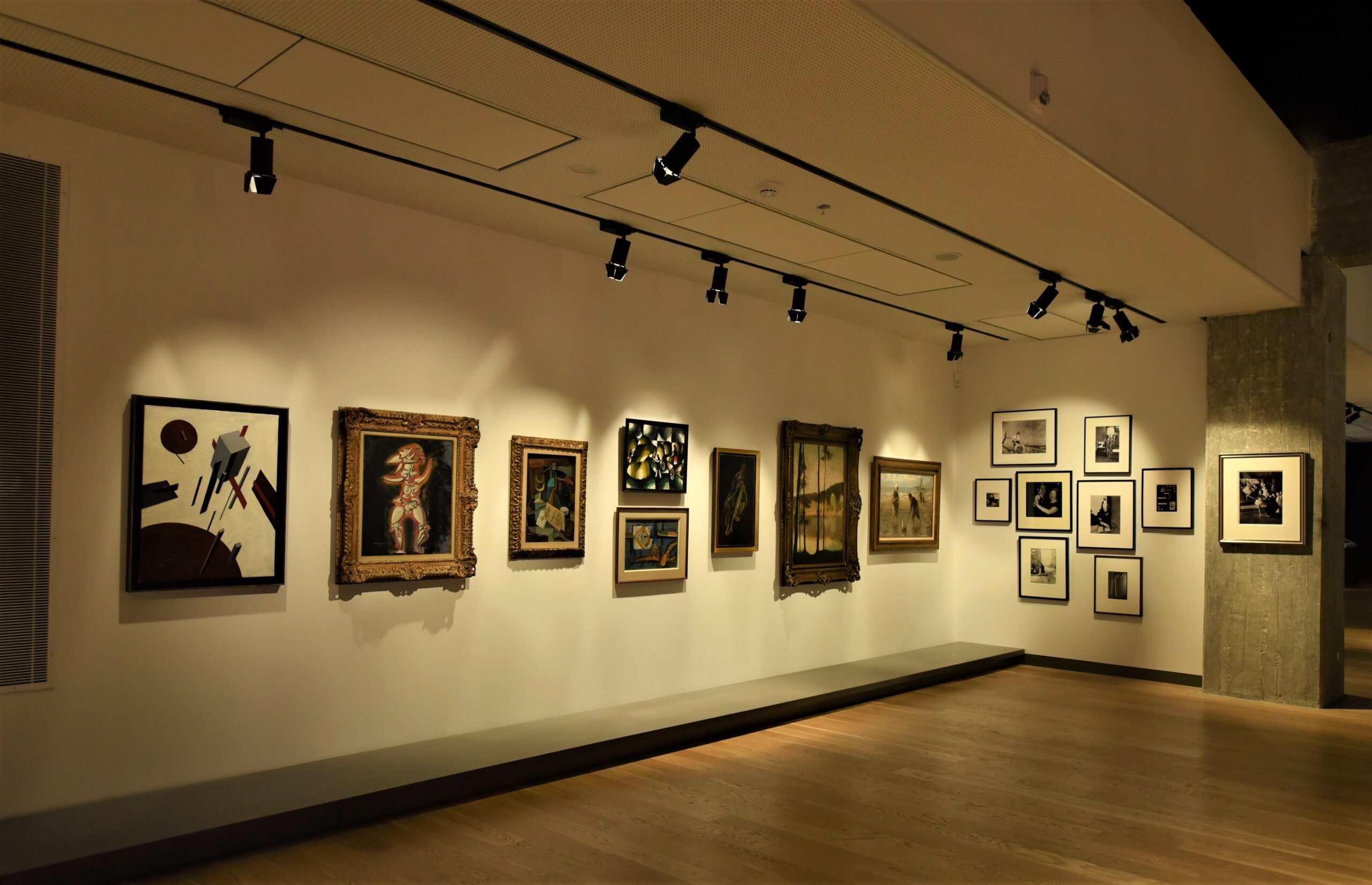
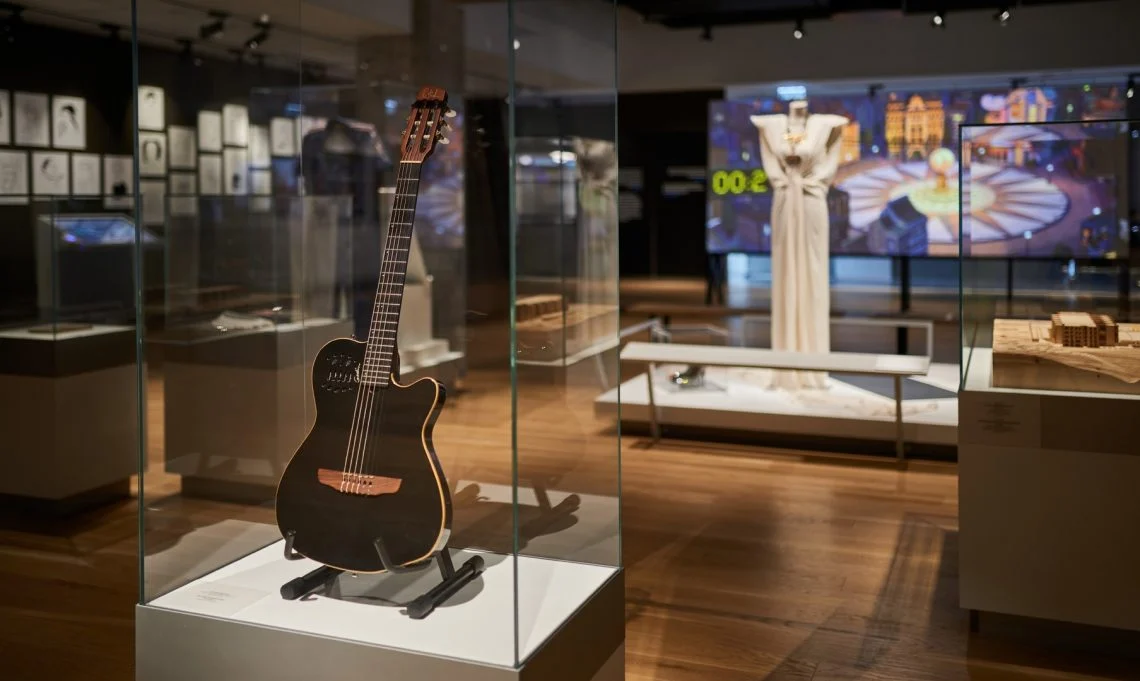
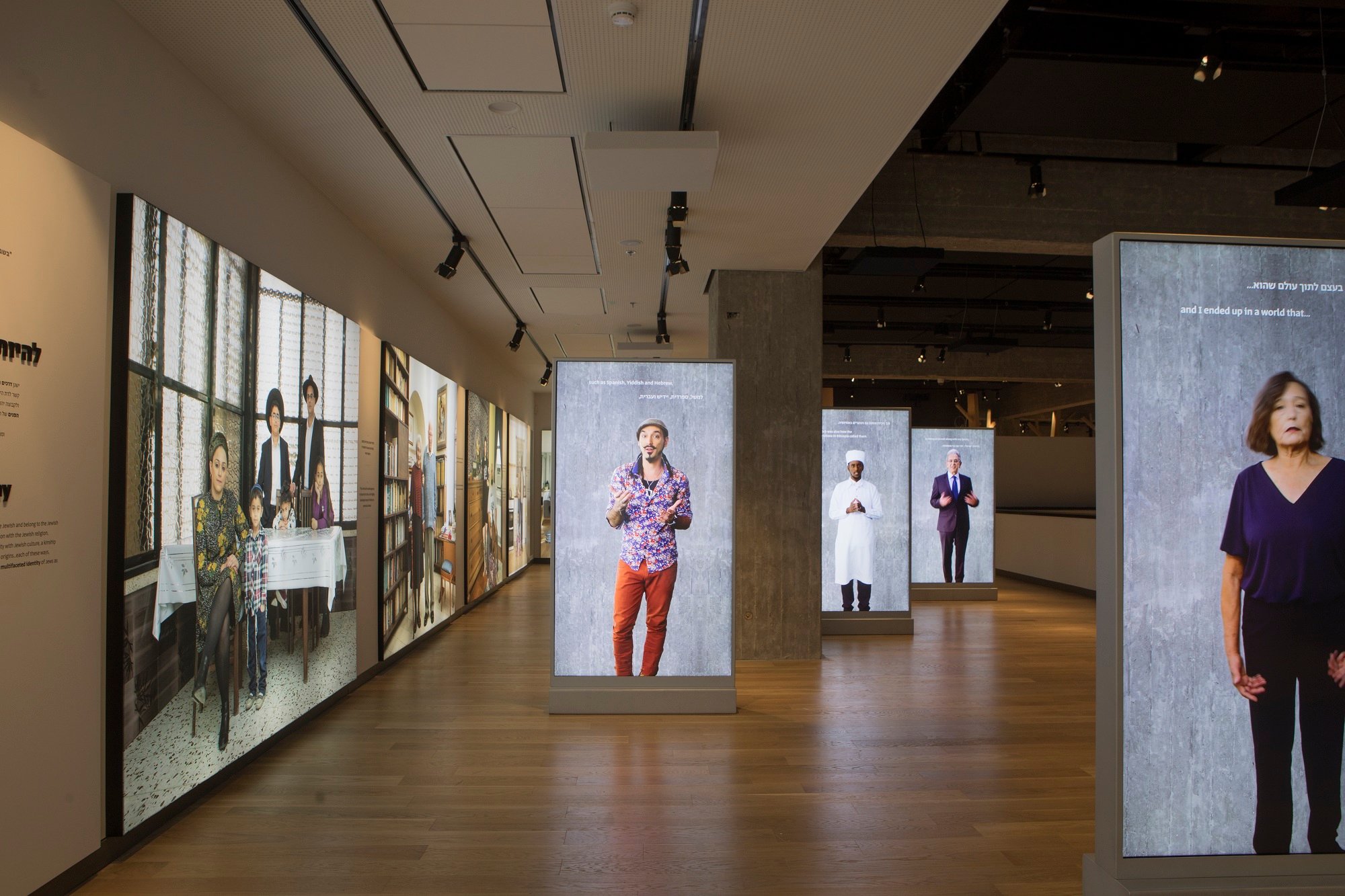
The story begins in the present. The incredible diversity of the expressions of Jewish identity and culture enables each and every one of us to find something of ourselves here. The folklore and the arts, the language and the literature, the different denominations in Judaism, and the Jewish contribution to humanity – all these are manifestations of multifaceted Jewish identity and culture, whether individual or collective.
Level 2
Level 2
The Journey
The Historical Story Through the Generations
Level 2
The Journey
The Historical Story Through the Generations
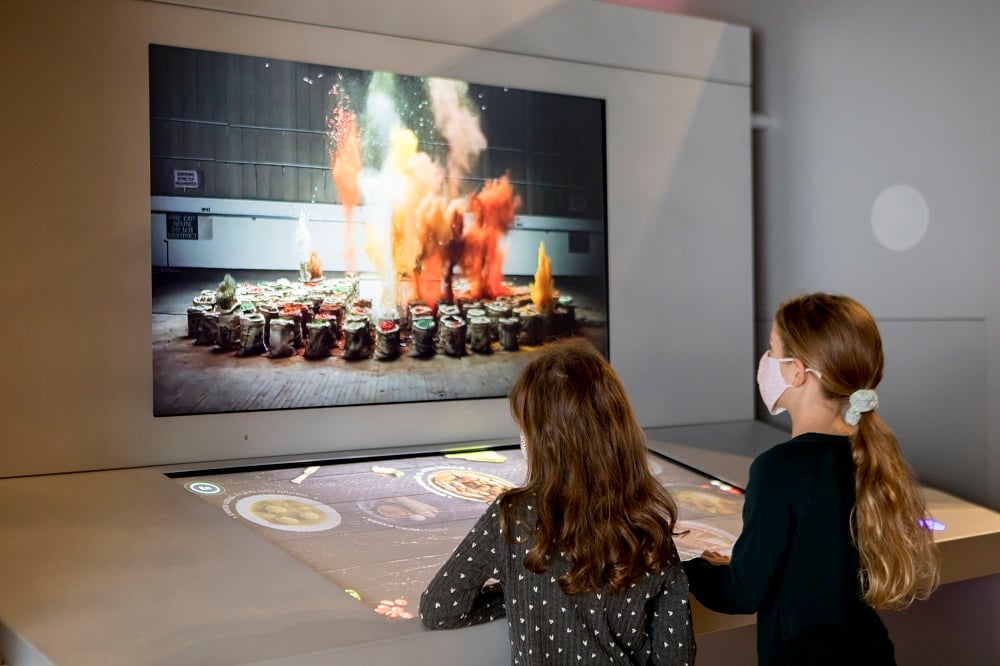
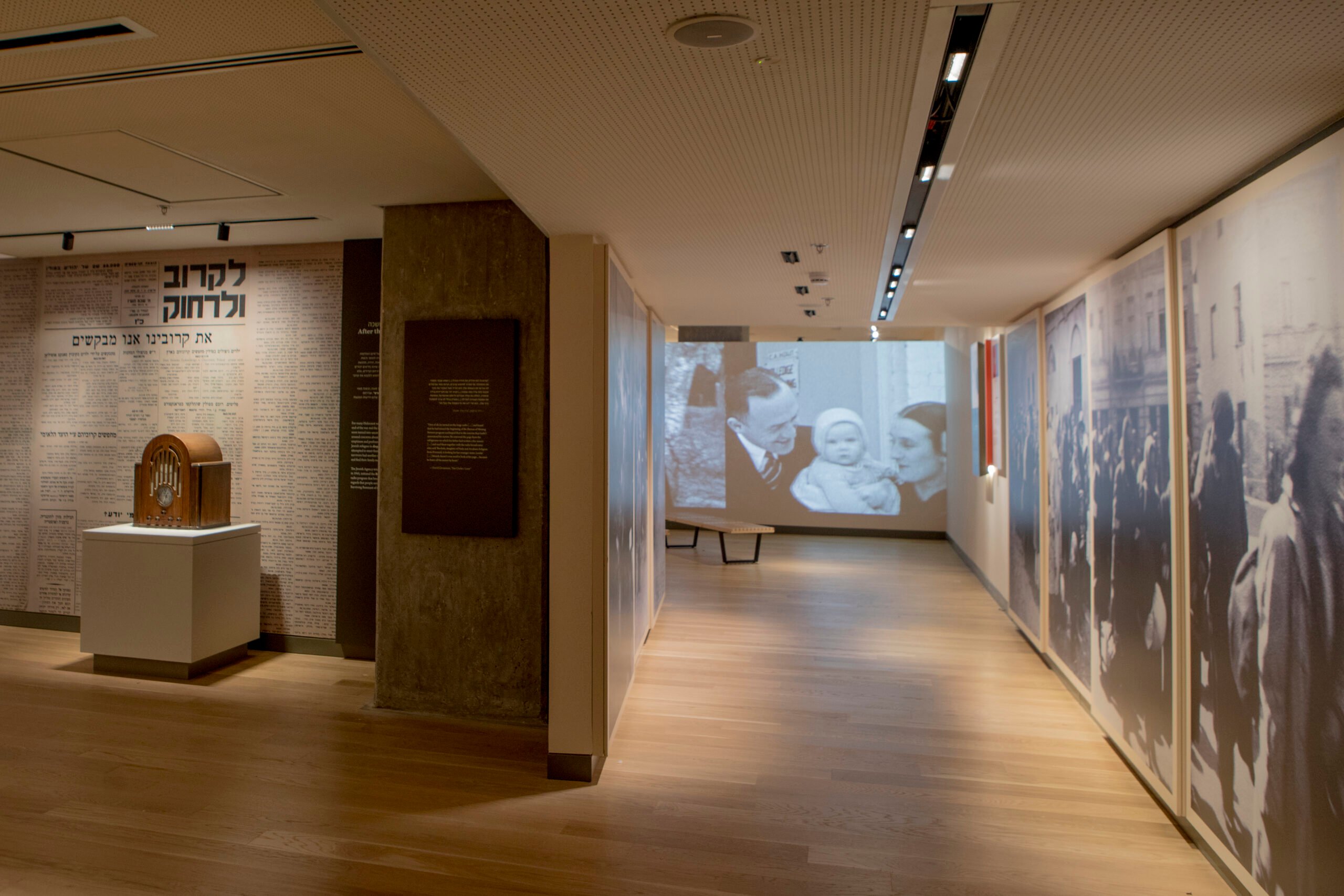
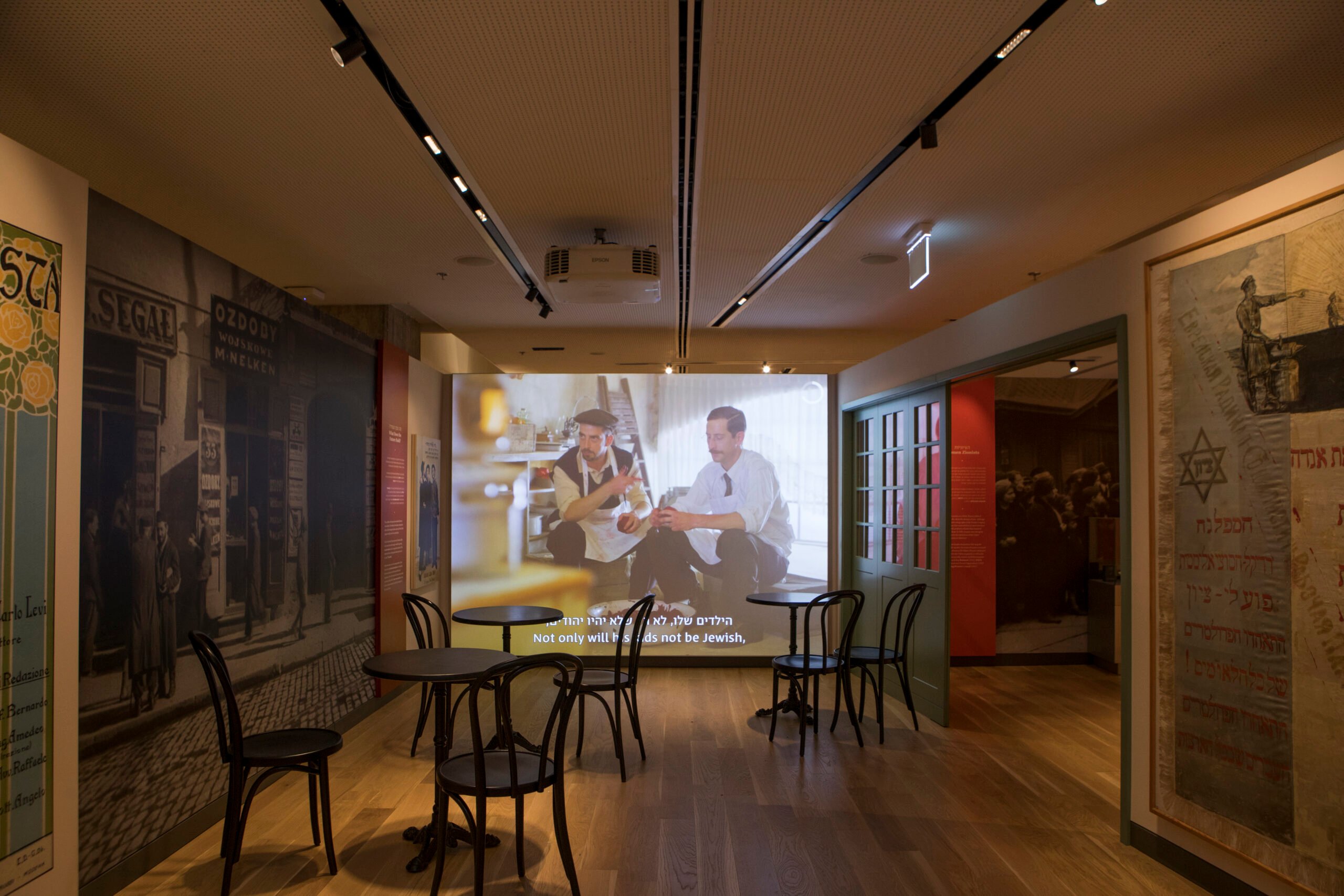
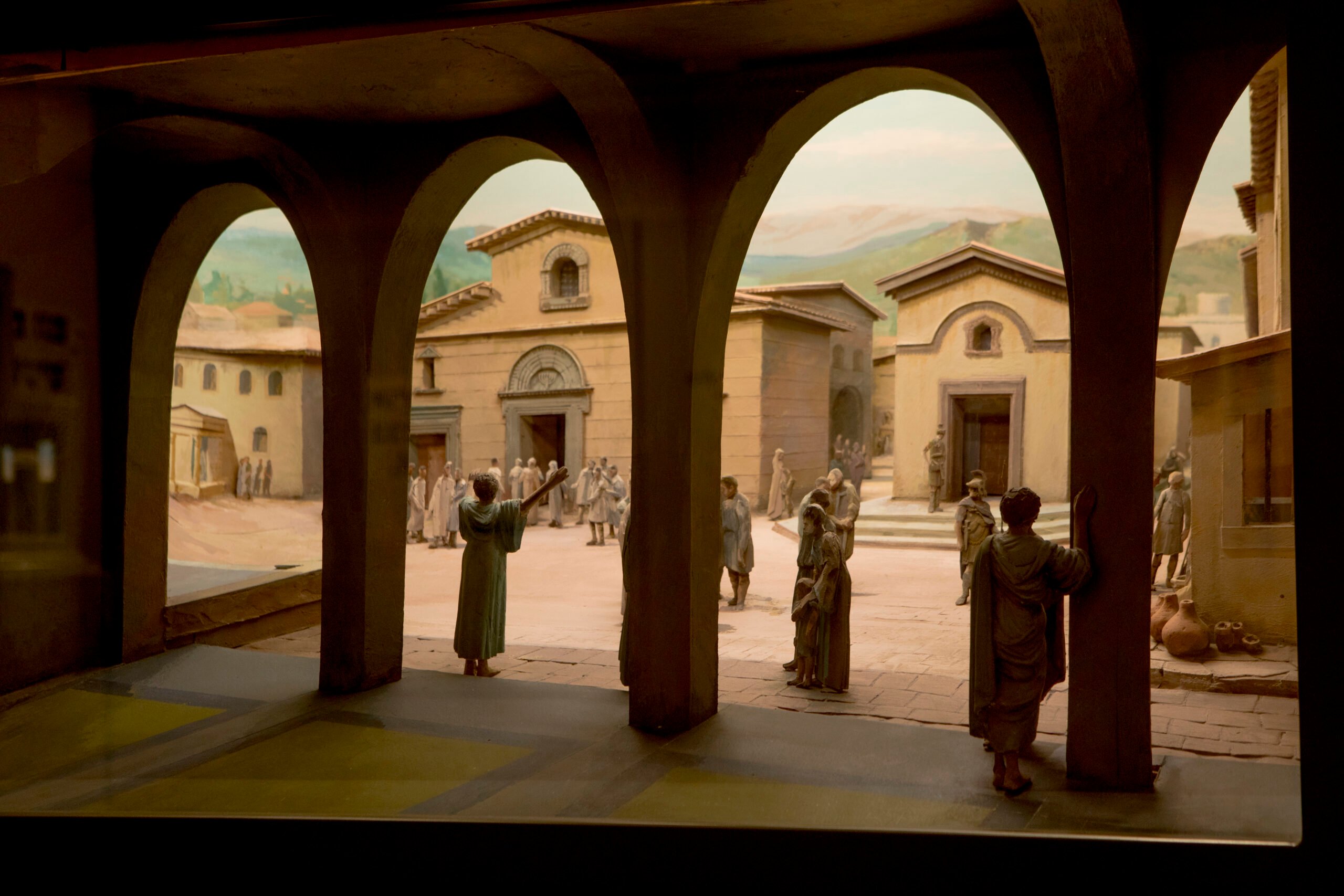
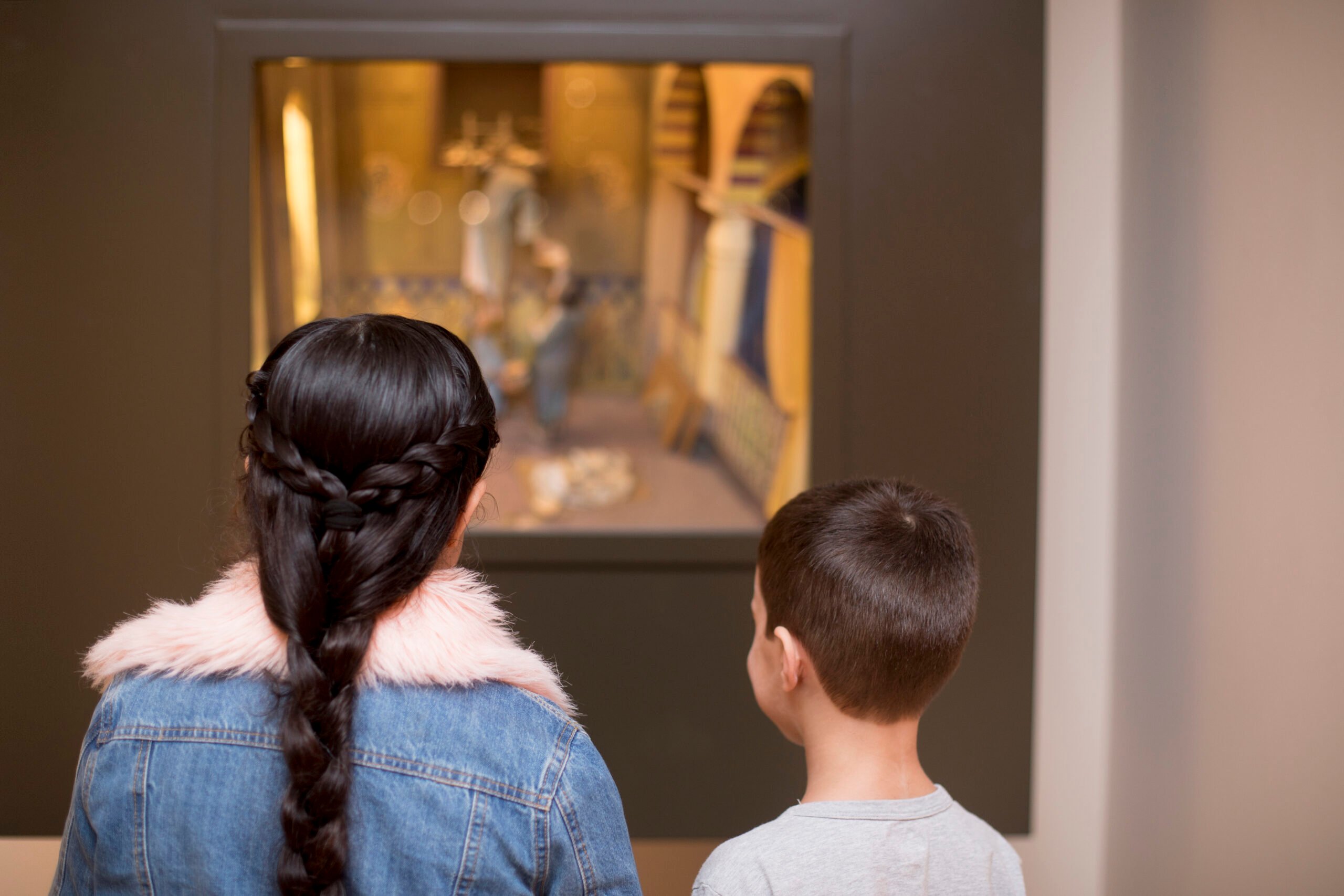
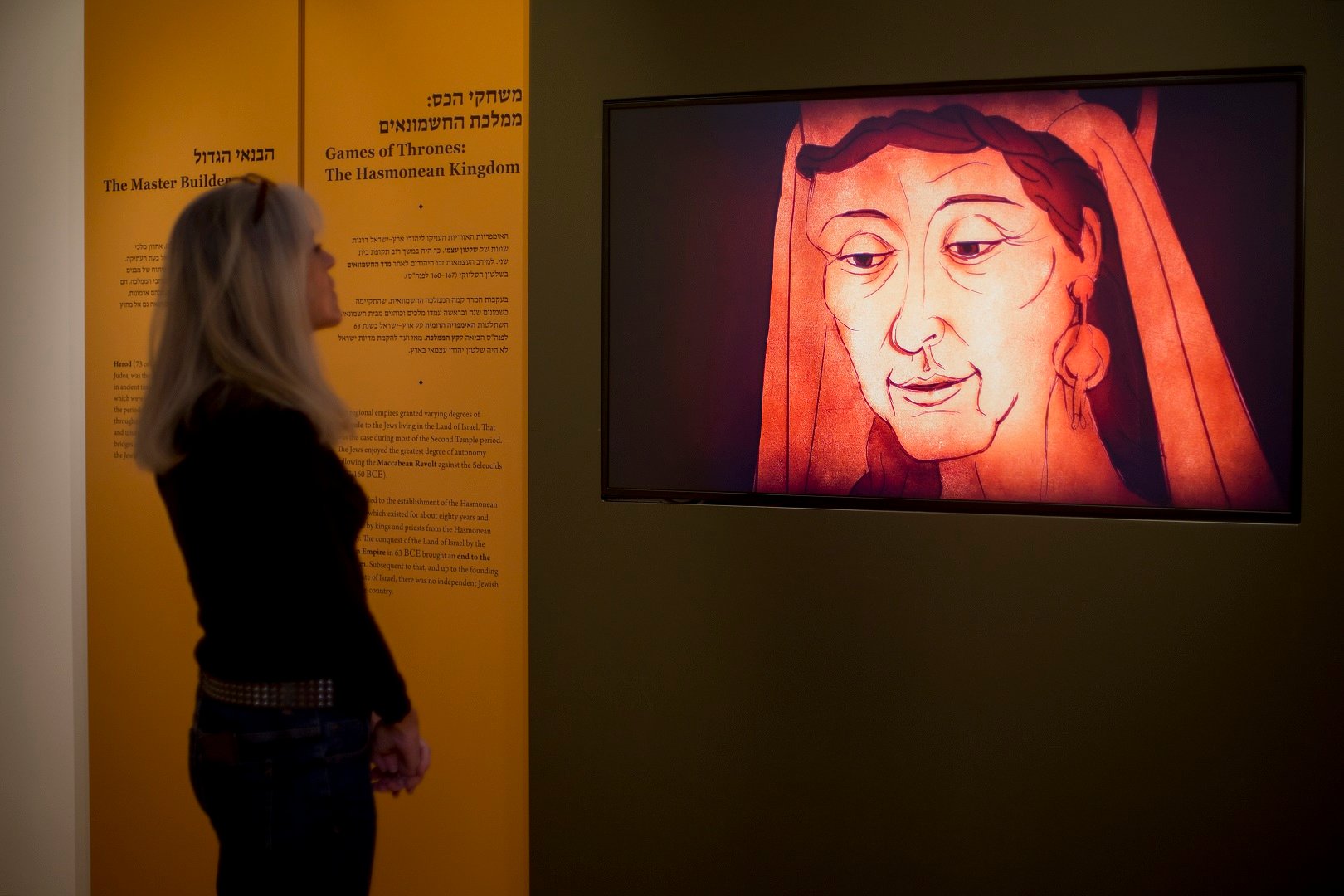
This is the unique and ongoing story of the Jewish people, from ancient times and up to the present. In it, you can find chapters of growth, prosperity and cultural dialog, alongside periods of pogroms and persecutions. The journey, which extends over thousands of years, begins with the story of the Jewish migrations, examines the large centers of Jewish life as well as Jewish culture and scholarship, and ends with the rebirth of the Jewish people after the Holocaust, the establishment of the State of Israel, and a depiction of various Jewish communities in our time.
Level 1
Level 1
The Foundations
A Common Base, A Universal Message
Level 1
The Foundations
A Common Base, A Universal Message
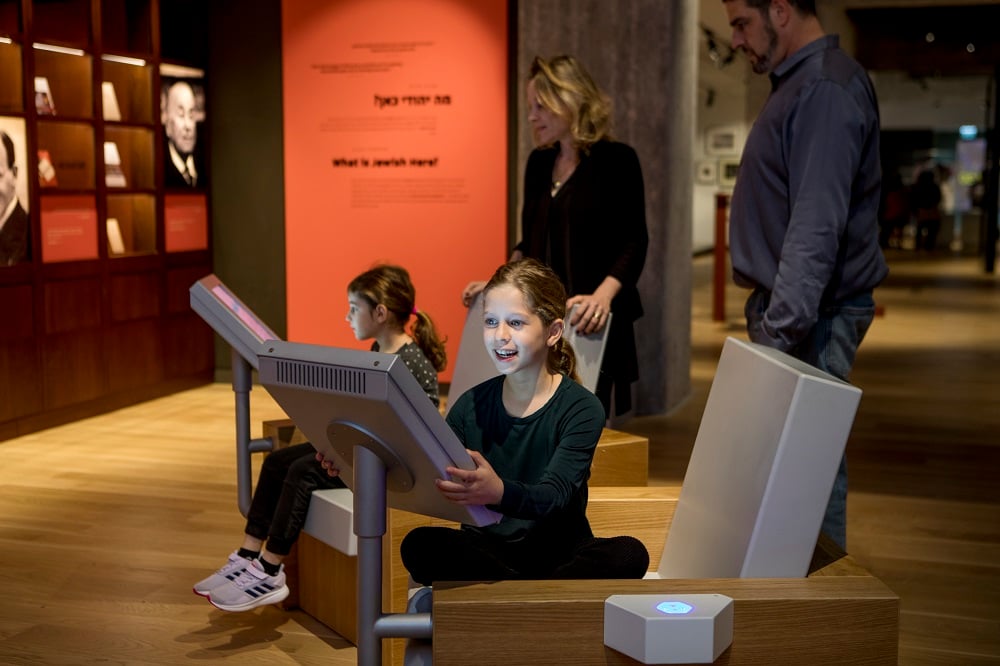
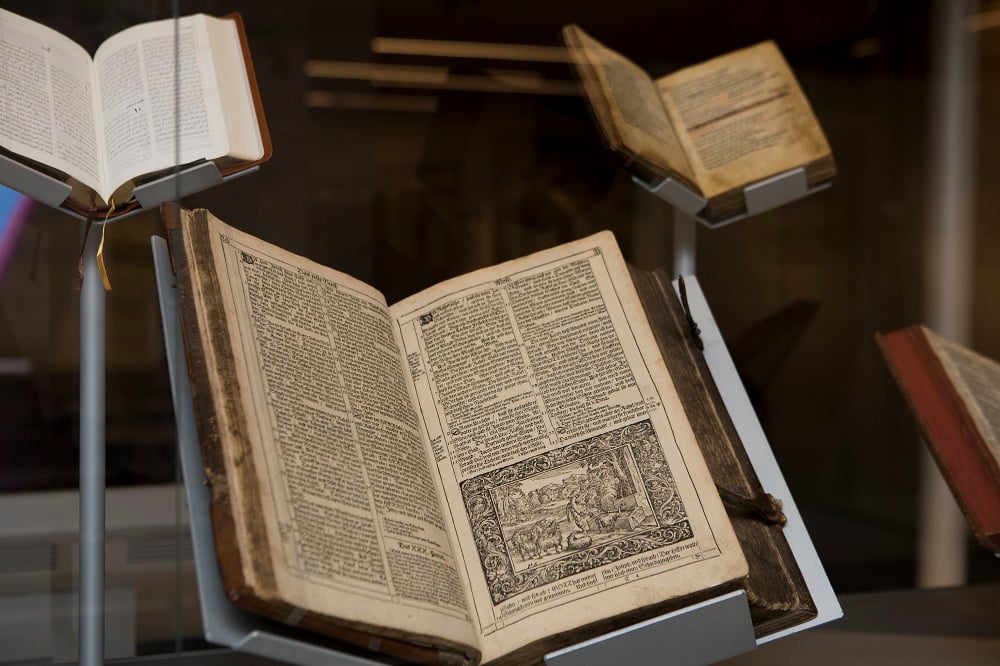
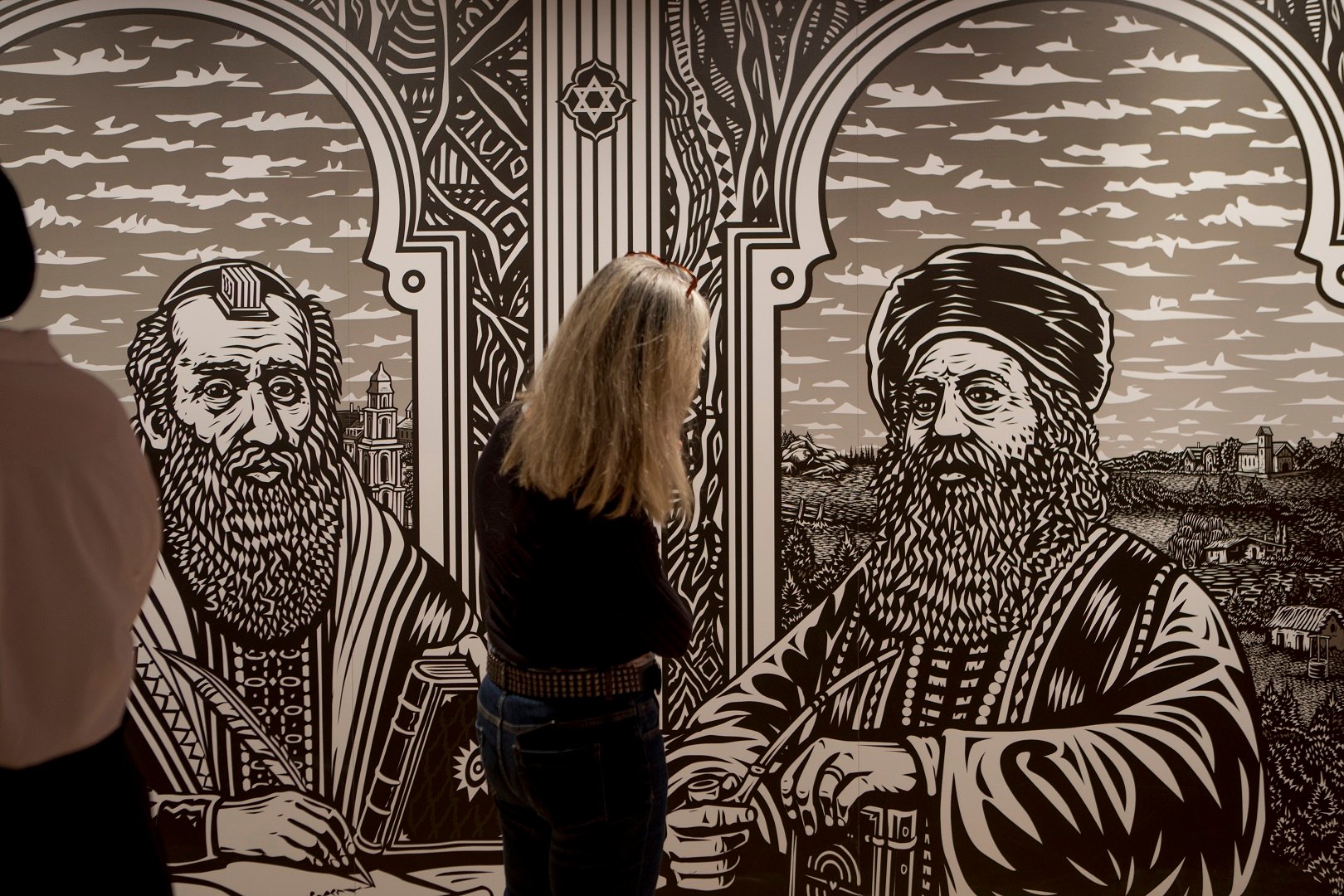
The ideological foundations on which Jewish existence has been built over the years – are foundations which have both a particular-Jewish dimension as well as a general-universal dimension that has bearing on human civilization as a whole. The unique foundations include the Sabbath (Shabbat), the covenant, the cycle of the year and milestones in human life. The universal foundations are exemplified by the Bible and its impact on cultures around the world.
More Videos and Images from the New Museum
Credits
CEO Museum Renewal |
Medy Shvide
Chief Curator |
Dr. Orit Shaham Gover
Chief Producer |
Michal Houminer
Head of Curatorial Staff |
Amitai Ahiman
Curators |
Asaf Galay, Dr. Meirav Balas, Dr. Dvir Zur, Irit Shapira Meir, Dvora Liss, Micol Schreiber Benarroch
Registrar |
Raya Sapir
Head Designer |
Gallagher and Associates
Graphic Design |
Kfir Malka, Nadav Shalev
Display Design and Construction |
Tucan Design Studio
Chief Academic Advisor |
Prof. Gideon Shimoni
Chairman, Content Advisory Committee |
Prof. Raanan Rein
Museum Renewal Conception |
Prof. Israel Bartal and Prof. Gideon Shimoni
Chief Media Director |
Avida Livny
Production Companies |
Gum Films, Lama Films, Pitchipoy Animation Productions, Shortcut Playground, Shula and Donna Productions, Arik Boas
Film Directors and scripts |
Roni Kleiner, Daphna Levin, Tal Sohini, Adam Sanderson, Idit Avrahami, Evgeny Ruman, Dina Senderson, Ran Tal, David Ofek, Ran Slavin, Asaf Galay, NirveGali
Mix and Sound Track |
Itzik Cohen - Jungle Sound
Online |
Aharon Peer - RGB production
Illustrators |
Lena Revenko, Mira Friedman, Prof. Yirmi Pinkus, Asaf Hanuka, Yael Bogen, Shira Baruch Malka, Hen Macabi, Aviel Basil, Igor Kovyar, Gabriella Barouch, Nir Peled
Conservators and Costume Restoration |
Irit Lev-Beyth, Neill McManus, Shoshana Mandel, Noa McManus, Noga Schusterman, Giora Alon, Dina Konson, Maya Delano, Rona Doron
Editing and Translation |
Asaf Shur, Sivan Raveh, Marilyn Fefer, Sivan Butler-Rotholz, Rachel Peretz, Orna Yehudaioff, Talia Halkin, Tamar Merom
Research and Writing |
Kim Lagziel, Tali Shamir Wertzberger, Ilya Amir, Anna Sasson Yosef Glanz, Mia Webb, Daniella Reiss Razon, Jonathan Avrahami
Development Chief Advisor |
Dr. Misha Galperin
CEO, ANU America |
Shula Bahat