Skip to content
Plan Your Visit
Languages
Menu
Language
עברית
English
Русский
Español
Deutsch
Français
ANU - Museum of the Jewish People
The Jewish Story Like You Have Never Experienced Before
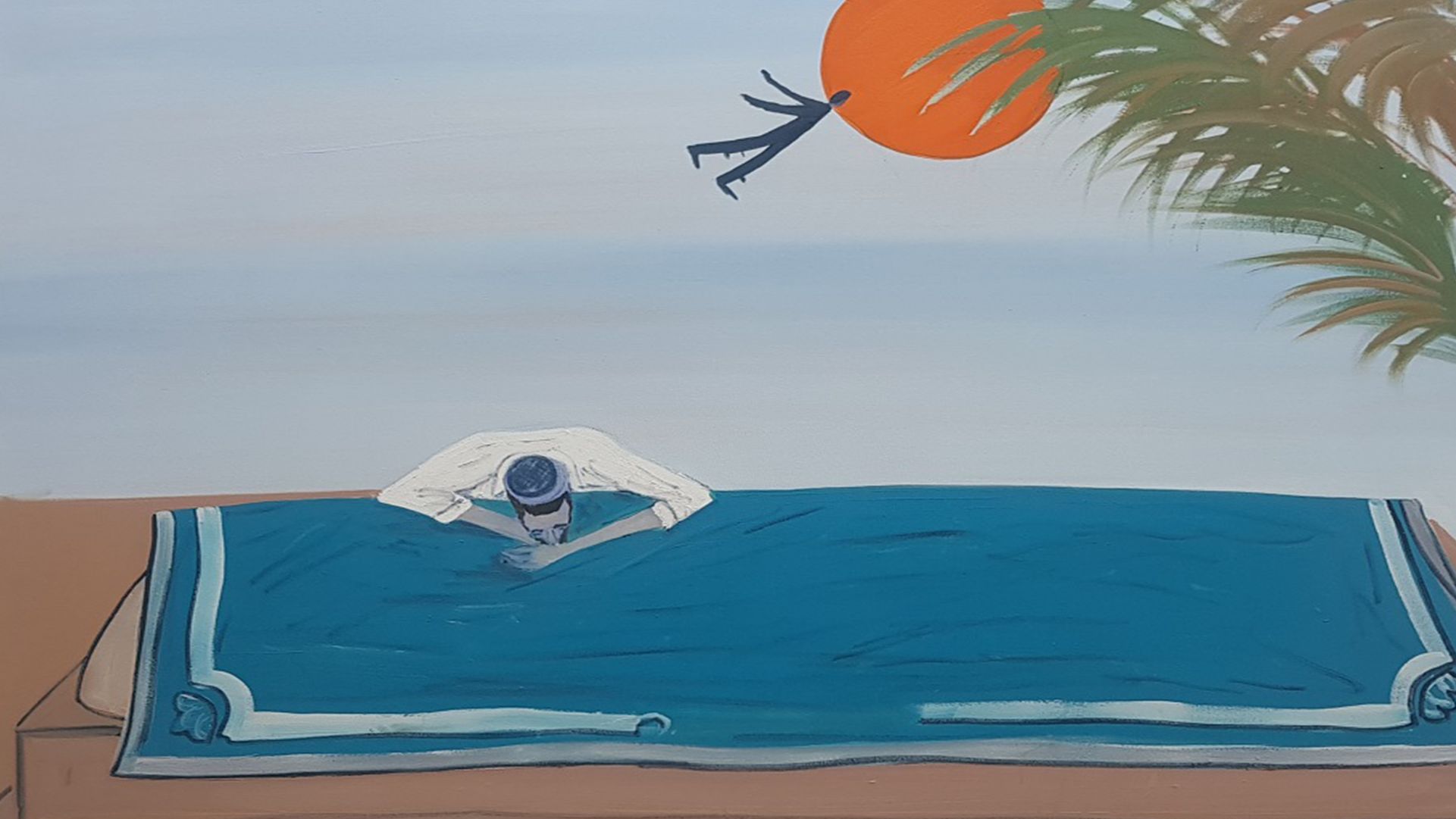
October Seventh
A Space of Anguish, Loss, Anger, Memory and Sorrow
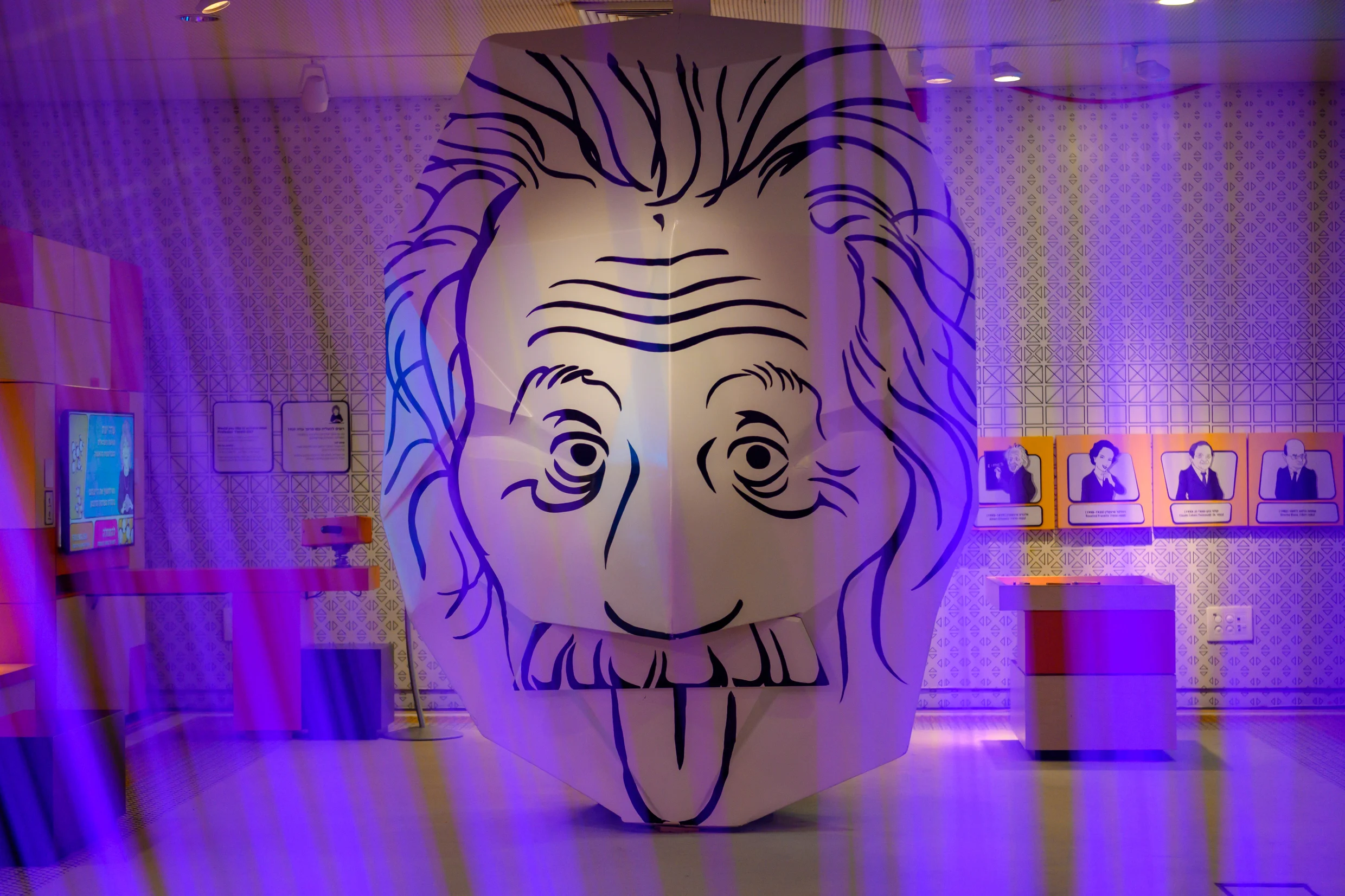
Heroes
Trailblazers of the Jewish People
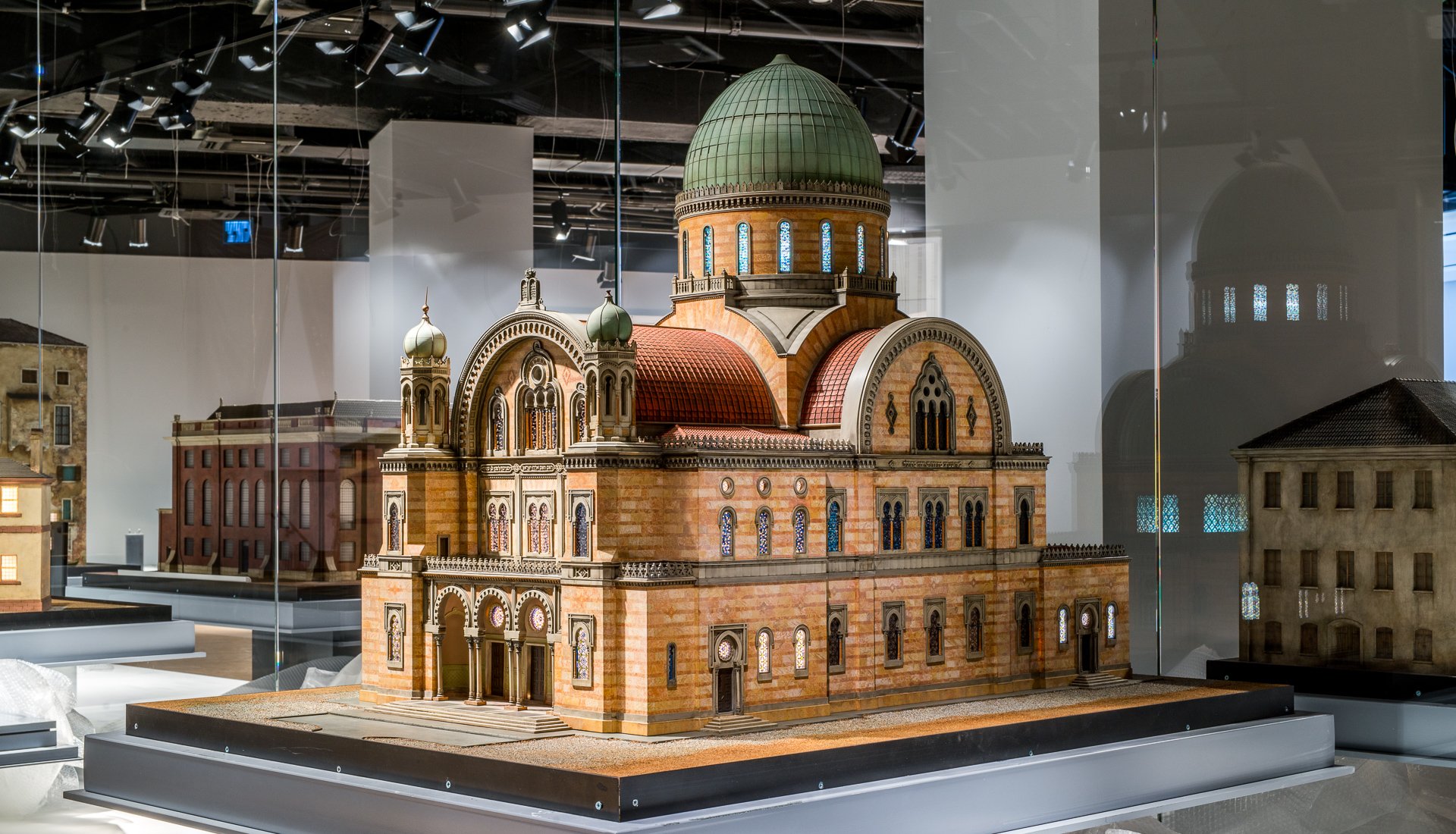
Synagogue Hall
Hallelujah! Assemble, Pray, Study - Synagogues Past and Present
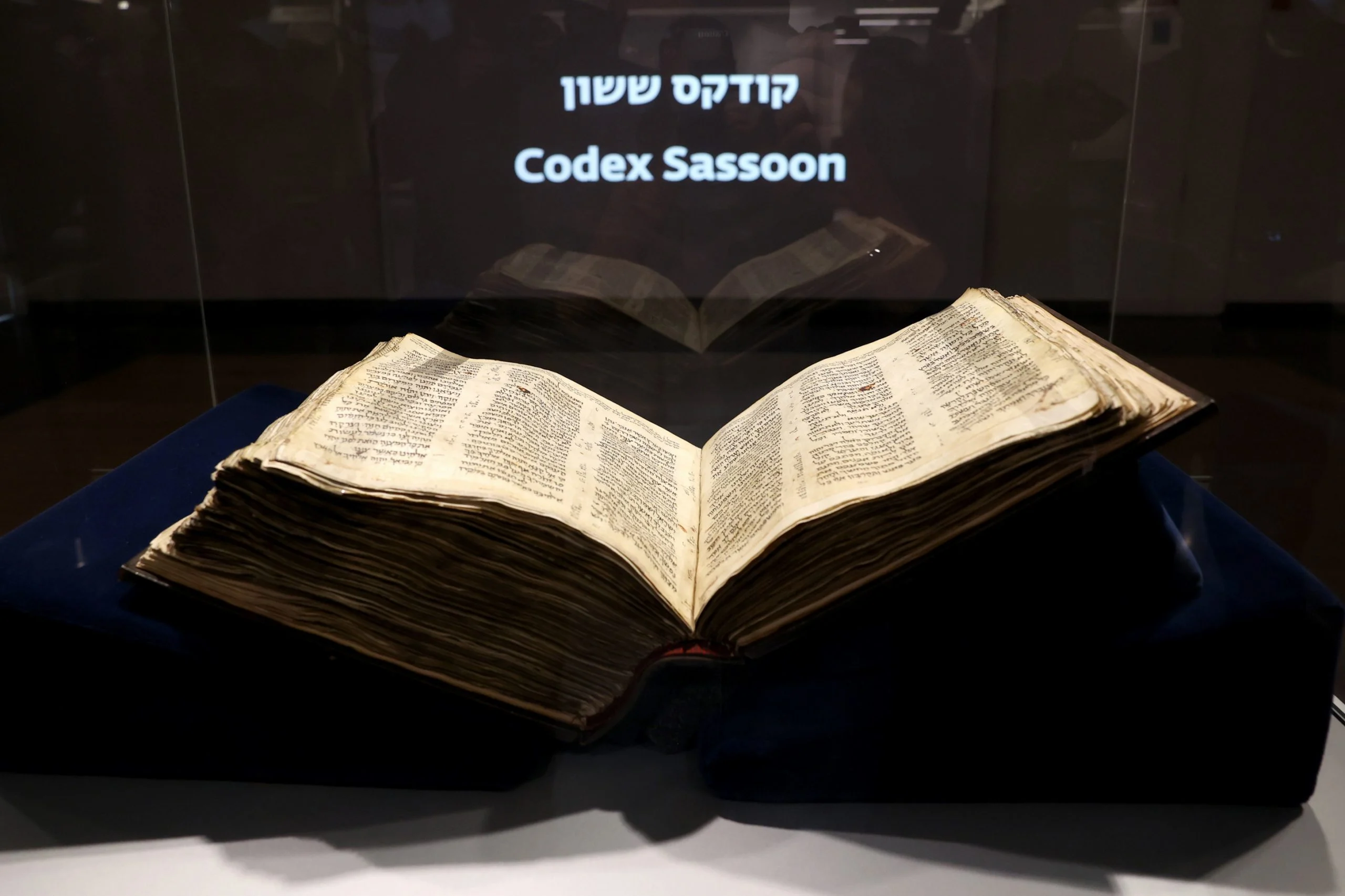
Codex Sassoon
Earliest Most Complete Edition of the Hebrew Bible
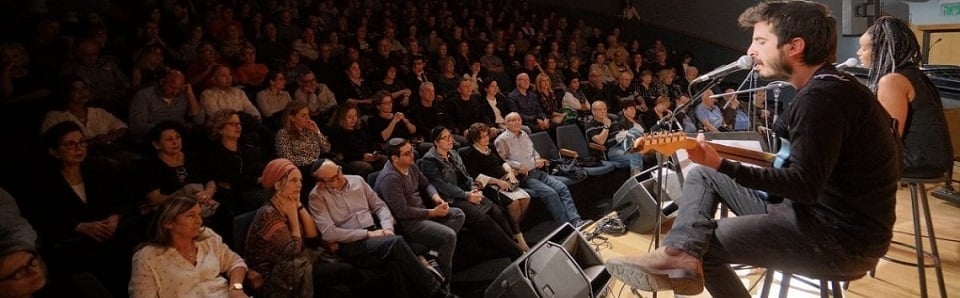
The Mike & Sofia Segal Center for Jewish Culture
Lectures, shows, screenings, plays and more
Education
The Koret International School for Jewish Peoplehood
Foodish
The Culinary Department of ANU
Our Open Databases
Family Trees, Communities, Luminaries, Last Names, Images and more